Systematic Review
The role of cofactors in the development of anaphylactic reactions
Rol de los cofactores en el desarrollo de reacciones anafilácticas
Maria Zofia Lisiecka1* https://orcid.org/0009-0000-9028-952X
1National Medical Institute of the Ministry of the Interior and Administration. Department of Allergology. Warsaw, Poland.
*Author for correspondence. Email: mariazofialisiecka@gmail.com
ABSTRACT
Introduction: Anaphylaxis is a dangerous hypersensitivity reaction that develops due to exposure to various cofactors, such as physical activity, alcohol, and medications.
Objective: Analyse existing data to examine the effect of cofactors on anaphylactic reactions and identify substantial risk factors, and key areas for further research.
Methods: Bibliographic sources (30) were reviewed to provide a comprehensive overview of anaphylaxis risk factors, cofactors, and clinical management.
Results: It is determined that physical activity is the most substantial cofactor, causing reactions in 40% of patients, especially in adolescents aged 13-17 years, where hormonal changes play a key role. Alcohol increased the severity of reactions by 25-30%, especially in adults aged 46-55 years. Medications, in particular, nonsteroidal anti-inflammatory drugs, provoked reactions in 15% of children and 35% of adults, while the combination of these factors with alcohol and physical activity increased the risk of severe reactions by up to 35%.
Conclusions: The findings provide new perspectives for clinical practice, including educational strategies and age-based recommendations for at-risk groups.
Keywords: adolescent behaviour; anaphylaxis; exercise; risk assessment; risk factors; severity of illness index; socioeconomic factors.
RESUMEN
Introducción: La anafilaxia es una reacción de hipersensibilidad peligrosa que se desarrolla debido a la exposición a diversos cofactores, como actividad física, alcohol y medicamentos.
Objetivo: Analizar los datos existentes para examinar el efecto de los cofactores en las reacciones anafilácticas e identificar factores de riesgo y áreas clave para futuras investigaciones.
Métodos: Se revisaron fuentes bibliográficas (30) para ofrecer una visión general completa de los factores de riesgo, cofactores y manejo clínico de la anafilaxia.
Resultados: Se determinó que la actividad física es el cofactor más importante, causando reacciones en el 40 % de los pacientes, especialmente en adolescentes de 13 a 17 años, en quienes los cambios hormonales desempeñan un papel clave. El alcohol aumentó la gravedad de las reacciones entre un 25 % y un 30 %, especialmente en adultos de 46 a 55 años. Los medicamentos, en particular los antiinflamatorios no esteroideos, provocaron reacciones en el 15 % de los niños y el 35 % de los adultos, mientras que la combinación de estos factores con el alcohol y la actividad física aumentó el riesgo de reacciones graves hasta en un 35 %.
Conclusiones: Los hallazgos ofrecen nuevas perspectivas para la práctica clínica, incluyendo estrategias educativas y recomendaciones basadas en la edad para grupos de riesgo.
Palabras clave: anafilaxia; conducta del adolescente; ejercicio; evaluación de riesgos; factores de riesgo; factores socioeconómicos; índice de gravedad de la enfermedad.
Received: 19/11/2025
Approved: 07/03/2026
INTRODUCTION
Modern research has raised the question of which cofactors were most important in the development of anaphylaxis. DuToit G et al.(1) emphasised the importance of early detection of patients at high risk of developing this condition, paying special attention to the effects of physical activity, alcohol, and medications. Casas-Saucedo R et al.(2) focused on the importance of food allergens, which increased their effects when combined with cofactors such as physical activity and alcohol consumption. The development of personalised approaches that would consider the individual characteristics of patients and reduce the risk of severe reactions remained an important area.
Despite the accumulated data, there are a number of unresolved issues. In particular, the mechanisms of interaction of cofactors with the human immune system have not been sufficiently reviewed. Poziomkowska-Gęsicka M(3) stresses that a substantial number of cases of anaphylaxis remain idiopathic, which indicates the need for further study of the effect of cofactors. The recommendations of Cardona V et al.(4) emphasise the global importance of anaphylaxis and the need for a systematic approach to its diagnosis and treatment. This is consistent with the findings of Abrams EM and Protudjer JLP,(5) who emphasise the importance of a comprehensive analysis of all possible cofactors in the diagnosis of this condition. Notably, the paper of Bradatan E et al.(6) showed a substantial effect of drugs such as aspirin on the course of anaphylaxis, which makes them an important aspect of clinical practice.
In addition, climatic conditions and regional peculiarities play an important role in the development of anaphylaxis, as reported by Poziomkowska-Gęsicka M et al.,(7) based on data from Poland. Participants from temperate regions showed a lower frequency of reactions to physical activity, while in regions with hot climates, its importance increased substantially. Such differences may be due to increased vascular reactivity and increased sweating in hot conditions, which may affect the absorption of allergens. The findings of Rastogi S et al.(8) deepen the understanding of the mechanisms associated with mast cell hyperreactivity caused by prostaglandin E2 deficiency, which may be related to certain cofactors.
The influence of dietary factors is also assessed in modern research. Bartra S et al.(9) emphasise that allergens associated with lipid transport proteins, in combination with cofactors, can substantially increase the risk of anaphylaxis in adult patients. Gomes JQ et al.(10) additionally investigate the role of ω-5 gliadin in the development of anaphylaxis, noting that such allergens require special attention in clinical practice. Gabler AM et al.(11) proposed the use of basophil activation tests to distinguish patients with gluten-related anaphylaxis, which provides an important diagnostic tool. The work of Kraft M et al.(12) provided valuable data on the characteristics of biphasic anaphylaxis and its dependence on specific cofactors. Attention should also be paid to publications dealing with age and demographic characteristics, as shown in the studies by Carlisle A and Lieberman JA,(13) which describe the role of physical activity in inducing anaphylaxis.
This systematic review aims to thoroughly assess the influence of cofactors on the onset and severity of anaphylaxis across various age demographics and clinical scenarios, addressing the identified gaps and unsolved enquiries.
METHODS
Design
This systematic review study was conducted from January 2023 to June 2024. The review was based on the analysis of published data from peer-reviewed scientific journals and systematic reviews.
Search Strategy and Data Sources
A comprehensive literature search was performed in the international scientific databases PubMed and Scopus. The search strategy employed combinations of keywords including “cofactors of anaphylaxis”, “physical activity and allergic reactions”, “alcohol and anaphylaxis”, “medications and anaphylaxis”, and related terms. The search was limited to English-language publications available up to June 2024.
Selection Criteria
Publications were selected for analysis based on pre-established inclusion and exclusion criteria.
Inclusion criteria:
Original studies detailing the effect of cofactors on the development of anaphylaxis.
Systematic reviews and meta-analyses containing data on the frequency and severity of anaphylactic reactions.
Studies providing statistical data on cofactor effects.
Publications with clear methodology and adequate sample sizes, defined as studies including at least 20 participants per relevant subgroup or providing sufficient statistical power to detect meaningful effects.
Exclusion criteria:
Publications with methodological limitations, such as lack of statistical data processing.
Studies with insufficient sampling (i.e., fewer than 20 participants per relevant subgroup or without sufficient power for statistical analysis).
Publications with errors in research methodology.
Case reports without statistical analysis.
Conference abstracts without full text availability.
Study Selection Process
In the preliminary search stage, 240 publications were identified that met the specified criteria. After initial screening and removal of duplicates, abstracts were reviewed for relevance. For detailed analysis, 60 of the most notable works were selected based on their methodological quality and relevance to the research objectives. These publications covered a wide range of subjects, including:
The effects of physical activity, alcohol consumption, and medications on the development of anaphylactic reactions.
Statistics on the frequency and severity of such reactions and their dependence on cofactors.
Differences in reactions to cofactors among different age and demographic groups.
Systematic reviews and meta-analyses summarising arrays of primary data.
After thorough full-text review, the text of the study included conclusions from 30 publications containing the most relevant information directly related to the purpose of the study (Fig. 1).
Data Extraction and Variables
The examined variables included the type of cofactors influencing the development of anaphylactic reactions, specifically physical activity, alcohol consumption, and medications. These three cofactors were prioritised due to their consistent reporting in the literature, availability of quantitative data, and demonstrated clinical significance across multiple age groups. While other cofactors such as stress, climatic conditions, and pollen allergies are mentioned in the Introduction and Discussion, the available evidence for these factors was limited, heterogeneous, or lacked sufficient statistical data to allow meaningful pooled analysis. This selection ensures that the systematic review focuses on cofactors with robust, analysable data, providing reliable conclusions about their influence on anaphylactic reaction.
Particular attention was paid to their cumulative effect and interactions when multiple cofactors were present simultaneously. Age characteristics of patients were systematically categorized into eight groups: Children under 6 years old, 6-12 years old, adolescents 13-17 years old, and adults across four age ranges (18-25, 26-35, 36-45, 46-55 years old), as well as elderly individuals over 55 years old. Additionally, geographical and social characteristics of the studied populations were extracted along with indicators reflecting the frequency and severity of anaphylactic reactions.
Data Synthesis and Analysis
The analysis procedure included three stages. First stage: Publications were systematically searched and filtered based on the inclusion criteria described above. Second stage: All selected publications were systematised by key parameters, including the type of cofactor (physical activity, alcohol consumption, medications, combined effects), age groups of patients, geographical and social features of the population, and methods for diagnosing and assessing the severity of anaphylactic reactions. This stage allowed structuring the data and ensuring their order for subsequent analysis. Third stage: A statistical analysis of the quantitative data presented in the literature was conducted. Statistical methods, such as the Student's t-test, Mann-Whitney U-test, and Pearson correlation coefficients, were outlined in the Methods to demonstrate the feasibility of quantitative analysis; however, owing to the characteristics of the included studies, which frequently reported solely frequencies and percentages, these tests were not directly utilised on the presented results.
Data from multiple studies reporting similar outcomes were pooled for analysis. Statistical methods included the Student's t-test to assess differences in mean values between groups, the Mann-Whitney U-test to analyse independent samples, and Pearson correlation coefficients to determine the relationship between cofactors and the frequency of anaphylactic reactions. The significance level was set at p < 0.05. Statistical data analysis was performed using SPSS version 25.0.
Quality Assessment
The methodological quality of included studies was evaluated based on multiple criteria to ensure the reliability and validity of the synthesized findings. The assessment considered the clarity of study design and methodology, examining whether the research approach was appropriate for addressing the stated objectives. The adequacy of sample size and statistical power was evaluated to determine whether studies had sufficient participant numbers to detect meaningful effects. The appropriateness of statistical analyses was scrutinized to ensure that the analytical methods matched the data type and research questions. The completeness of data reporting was assessed to verify that studies provided sufficient detail for replication and interpretation. Finally, the risk of bias in study conduct and reporting was examined to identify potential sources of systematic error that might compromise the validity of the results.
Bioethical Aspects
This study is a systematic review based entirely on published literature. No unpublished patient data or registry data were used. Therefore, formal ethics approval was not required.
RESULTS
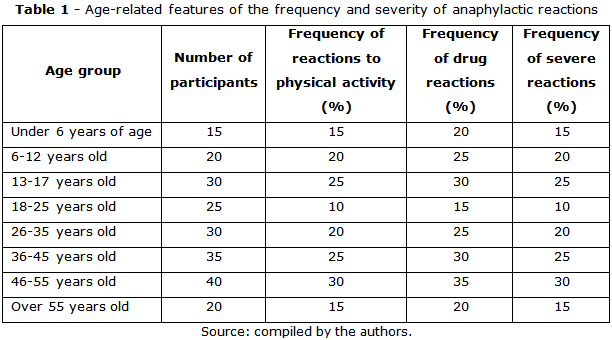
Age groups show differences in sensitivity to cofactors. In children, physical activity was among the most frequently reported cofactors, according to the data presented in table 1. Reactions to medications, especially NSAIDs, were more common in children than in adults, due to the immaturity of the enzyme systems responsible for drug metabolism. Alcohol as a cofactor was excluded from Table 1 for quantitative reporting due to its negligible presence in children and minor levels in younger adults, resulting in percentages too low for significant tabular representation. Alcohol is a pivotal cofactor in the findings due to its considerable effect on older adolescents and adults (particularly those aged 26 - 55), where it markedly affects the incidence and severity of anaphylactic reactions, especially when coupled with other cofactors like physical activity and medications. This methodology enables table 1 to concentrate on the most pertinent age-specific data, while the discussion emphasises age categories where alcohol is clinically significant.
Percentages of severe reactions were calculated as the number of participants within each age group who experienced severe anaphylactic reactions divided by the total number of participants in that age group, multiplied by 100.
Table 1 presents quantitative data on the frequency of reactions to physical activity, medications, and severe reactions across different age groups. The highest percentage of reactions to physical activity was observed in adolescents aged 13 - 17 years (25%), while adults aged 46 - 55 years had the next highest frequency (30%). Drug-induced reactions were most frequently registered in adolescents aged 13 - 17 years (30%). Severe reactions were recorded in all age categories, with the largest proportion also in the 46 - 55-year group.
Overall, the data demonstrate variability in both the type and frequency of reactions depending on the age category. Severe reactions were detected in younger children (under 6 years), although the prevalence in this group remained low compared to older participants.
The highest rates of severe anaphylactic reactions were observed in the 46-55-year-old group, reaching 30%. In participants older than 55 years, the frequency of severe reactions decreased to 15%. Despite this decrease, severe reactions were still recorded in this age group.
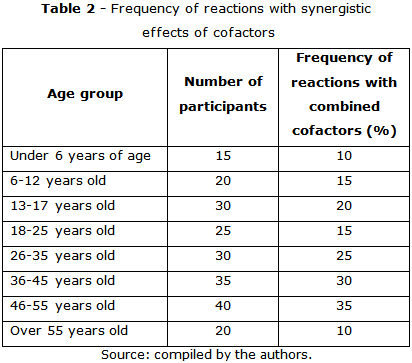
The combined effects of cofactors were also analysed. The highest frequency of reactions involving multiple cofactors was observed in adults aged 46-55 years, with an increase of 25% compared with reactions associated with single cofactors. In adolescents aged 13-17 years, reactions associated with a combination of physical activity and medications were also recorded.
Younger participants (up to 12 years old) and adults over 55 years old showed the lowest frequency of reactions associated with combined cofactors (table 2).
The data presented in the table 2 confirm the importance of the combined effects of cofactors such as exercise, alcohol, and medications on the frequency and severity of anaphylactic reactions. These data emphasise the need for enhanced control over the combination of cofactors in this age group.
It is essential to differentiate between the terms "trigger" and "cofactor" in relation to anaphylaxis. A "trigger" denotes the principal agent that immediately instigates an allergic reaction, like a particular food allergen, insect venom, or medication.(14) Conversely, a "cofactor" is a variable that does not independently induce anaphylaxis but can amplify the severity or probability of a reaction in the presence of a trigger. Instances of cofactors encompass physical exercise, alcohol intake, and specific pharmaceuticals. Triggers initiate the reaction, whereas cofactors influence its severity, commencement, or likelihood.(15) This distinction underlies the emphasis of this systematic review on cofactors and their synergistic interactions with recognised triggers.
The incidence of severe reactions was lowest (10 - 15%) in younger children (under 12 years of age) and elderly people over 55 years of age. This is due to limited physical activity in children and lifestyle changes in the elderly, which reduces the impact of key triggers. However, even in these age groups, combined exposure can cause substantial reactions that require specialist attention. Figure 2 is presented for a visual comparison of the isolated and combined effects of cofactors in different age groups.
The graph shows a comparison of the frequency of anaphylactic reactions with isolated and combined exposure to cofactors across different age groups. Combined exposure to factors such as physical activity, alcohol, and medications increased the frequency of reactions in all age categories compared with isolated exposure.
The highest frequency of reactions with combined cofactors was observed in the 46 - 55-year age group, reaching 35%. In this group, reactions to isolated factors were lower, indicating an increase in risk with combined exposure. Adolescents aged 13 - 17 years also showed a notable difference between isolated and combined exposures, with the frequency of reactions increasing by 5 - 10%.
The difference between isolated and combined exposures was minimal in children under 12 years and in adults over 55 years.
Analysis of individual cofactors showed that physical activity was the most frequent trigger of severe reactions, affecting 40% of participants. Alcohol and medications contributed to 20% and 15% of reactions, respectively.
DISCUSSION
Physical activity is a substantial cofactor provoking anaphylactic reactions. It promotes the release of inflammatory mediators such as histamine by increasing vascular permeability and activating immune cells, making the body more susceptible to allergens.(16) Srisuwatchari W et al.(17) note that physical activity can substantially increase the risk of anaphylactic reactions, especially when combined with food allergens, making these reactions more severe and difficult to control.
Teenagers (13 - 17 years old) are the most vulnerable age group.(18,19) According to Abrams EM et al.,(5) hormonal changes during puberty increase immune responses, which, combined with high physical activity levels, lead to increased risk of severe anaphylactic reactions. The frequency of such reactions in adolescents reaches 25%, requiring more careful monitoring, especially during intense training or stressful situations. Adults aged 46 - 55 years are also highly vulnerable, with a reaction frequency reaching 30%, due to age-related changes, chronic diseases, and decreased liver and vascular function.
In adults (26 - 55 years old), physical activity also plays a critical role as a cofactor. In adults aged 46 - 55 years, the frequency of reactions reaches 30%, explained by age-related changes, including decreased liver function, decreased vascular elasticity, and chronic diseases.
Brockow K et al.(20) researched physical activity's role as a cofactor in nutritional anaphylaxis, noting it increased allergen absorption and reaction severity, especially in patients with peanut or grass pollen allergies. Ukleja Sokołowska N et al.(21) described physically-induced anaphylaxis in a patient with kiwi allergy, concluding that physical activity increased reaction severity by increasing vascular permeability and accelerating allergen penetration.
Alcohol substantially affects anaphylactic reaction severity through its systemic effect on vascular permeability and allergen metabolism. Its impact is most pronounced in adults aged 46-55 due to decreased liver function and impaired immune response (moderate to severe reactions are more frequent in regular consumers). In adults with chronic diseases like hypertension or diabetes, alcohol increases reaction severity by worsening the body’s compensatory mechanisms.(22,23,24) In patients with liver diseases, combining alcohol with medications delays toxin elimination, aggravating inflammation. In patients over 55, alcohol’s effect is reduced due to lower consumption, but severity remains substantial because of slow metabolic processes and comorbidities.
Medications, especially non-steroidal anti-inflammatory drugs (NSAIDs), play a substantial role as cofactors enhancing anaphylactic reactions.(25,26) Chua GT et al.(27) note that children under 12 years have increased sensitivity to NSAIDs due to metabolic system immaturity. In adults, especially those aged 46-55 years, medication effects are enhanced with other cofactors like alcohol and physical activity. Combining medications with physical activity substantially increases reaction severity through accelerated blood circulation and increased vascular permeability.
Reactions to NSAIDs are more common among children (6 - 12 years) than adolescents and adults, possibly due to increased use for infectious disease treatment. In adolescents (13 - 17 years), using analgesics and antibacterial agents combined with physical activity increases anaphylaxis risk. In elderly patients over 55 years, medication effects on anaphylaxis are associated with accumulated chronic diseases and metabolic activity changes.
Literature analysis shows various cofactors substantially affect anaphylactic reaction frequency and severity. Reactions to physical activity occur in 40% of patients.(28) Alcohol consumption provokes reactions in 20% of patients.(29) Medications like NSAIDs cause reactions in 15% of patients.(30) Importantly, combined exposure (NSAIDs, alcohol, and physical activity) demonstrates a synergistic effect, with severe reactions reaching 35% in the most vulnerable age groups.
Bamidis A et al.(31) described anaphylaxis caused by combining isotretinoin, exercise, and soy allergy. Elkhalifa S et al.(32) analysed alcohol's role as a co-trigger increasing vascular permeability and accelerating allergen penetration into the bloodstream.
The data confirm that combined cofactors increase severity, with adolescents minimally affected by alcohol but adults (46 - 55 years) showing high susceptibility due to chronic diseases and metabolic changes. Botsyuk NY et al.(33) analysed anaphylactic shock cases in children, emphasizing high drug reaction frequency. Bilò MB et al.(34) highlighted NSAIDs' key role as a cofactor, especially in adults with chronic diseases like asthma and cardiovascular pathologies. In children aged 6-12 years, NSAID reaction frequency is 25%.
Guerra Pérez MT et al.(35) emphasized hormonal changes' influence in adolescence on immune system reactivity, making adolescents more vulnerable to anaphylaxis. Adolescents demonstrated high risk of severe reactions (25%) when combining physical activity with medications.
Beta-blockers suppress physiological mechanisms that normally help the body cope with anaphylactic reactions,(36) reducing natural response effectiveness and increasing reaction severity. Pałgan K et al.(37) noted that synergistic effects between cofactors like physical activity and food allergy increased anaphylactic reaction severity. Based on the analysis of publications included in the systematic review, it was established that there are substantial differences in reaction frequency between isolated and combined cofactors. Combined exposure in adults 46-55 reached 35%, 25% higher than separate exposures: physical activity (30%), alcohol (20%), medications (15%). Teenagers also showed substantial increases with combined cofactors, while younger children (< 12) and elderly (> 55) showed minimal combined effects.
Adolescents' increased vulnerability is explained by biological, social, and behavioural factors. During puberty, substantial hormonal changes occur, including increased cortisol and catecholamine levels, which increase allergic reactions.(38,39) Severe anaphylactic reaction frequency in adolescents aged 13-17 years increased by 20% with physical activity and medication combination. Social factors like high stress levels also increased adolescent vulnerability.
Adults' (46-55 years) vulnerability resulted from combined physiological changes and socio-economic factors. Many patients have chronic diseases like hypertension, diabetes, and cardiovascular pathologies that increase the body's response to cofactors. Patients with hypertension taking antihypertensive medications are more susceptible to side effects when combined with exercise or alcohol.(40,41) Combining alcohol and physical activity increased severe reaction risk by 25%.
Physiological changes like decreased liver and kidney function increased toxin and drug accumulation likelihood.(42,43) In the 46-55 age group, decreased liver metabolic capacity increased alcoholic metabolite concentration, leading to enhanced vascular changes.
The study provided detailed analysis of combined cofactor effects. Treudler R et al.(44) and Shin M(45) stress that physical activity can substantially increase anaphylactic reaction risk. This study adds new perspectives by showing for the first time that combining physical activity with alcohol or medications substantially increased severe reaction risk, especially in adolescents and adults aged 26 - 55 years.
The study revealed key patterns of the influence of cofactors such as exercise, alcohol, and medications on the frequency and severity of anaphylactic reactions. The most vulnerable age groups were identified – adolescents (13 - 17 years old) and adults aged 46 - 55 years, who demonstrated the highest frequency of severe reactions. These results are explained by age-related changes, hormonal characteristics, and the presence of chronic diseases in adults.
The frequency of reactions to physical activity reached 25% in adolescents and 30% in adults of the middle age group, which underlines its importance as one of the key cofactors. Alcohol, which increases the severity of reactions, increased their frequency by 25-30% in adults, especially when combined with physical activity or medications. Medicines, in particular NSAIDs, caused reactions in 25% of children and 35% of adults, which requires strict control of their use in risk groups. The synergistic effect of cofactors increased severity, reaching 35% in the most vulnerable age groups.
The data obtained confirmed the existing theoretical provisions and expanded them by analysing age and demographic characteristics. These results represent new perspectives as they highlight: The age-specific impact of cofactors on anaphylaxis severity; The synergistic effect of combined cofactors, not just individual ones, and evidence-based recommendations for prevention and management in high-risk age groups.
Practical recommendations based on the study include limiting physical activity in adolescents during periods of drug treatment and increasing their awareness of possible risks. Middle-aged adults are advised to avoid combining alcohol with medications and physical activity. Educational programmes for at-risk groups aimed at informing about the dangers of the synergistic effects of cofactors are needed.
The main limitations of the study were more substantial than previously indicated. In addition to the lack of data on rare cofactors such as stress or climatic conditions and a limited selection of literary sources, the review faced heterogeneity among included studies, potential publication bias, variations in the definitions of anaphylaxis, and differences in the measurement and reporting of cofactors. The prospects for further research include deepening the investigation of the molecular mechanisms of cofactor interaction, developing screening algorithms to identify risk groups, and conducting multicentre studies considering regional characteristics and rare cofactors. These areas will help improve the prevention and treatment of anaphylaxis, minimising the risks for the most vulnerable groups of the population.
BIBLIOGRAPHIC REFERENCES
1. Du Toit G, Smith P, Muraro A, Fox AT, Roberts G, Ring J, Worm M. Identifying patients at risk of anaphylaxis [Internet]. World Allergy Organ J. 2024;17(1):100904. DOI: 10.1016/j.waojou.2024.100904
2. Casas-Saucedo R, de la Cruz C, Araujo-Sánchez G, Gelis S, Jimenez T, Riggioni S, et al. Risk factors in severe anaphylaxis: which matters the most, food or cofactors? [Internet]. J Investig Allergol Clin Immunol. 2022;32(4):282-90. DOI: 10.18176/jiaci.0698
3. Poziomkowska-Gęsicka I. Idiopathic anaphylaxis? Analysis of data from the Anaphylaxis Registry for West Pomerania Province, Poland [Internet]. Int J Environ Res Public Health. 2022;19(24):16716. DOI: 10.3390/ijerph192416716
4. Cardona V, Ansotegui IJ, Ebisawa M, El‑Gamal Y, Fernandez Rivas M, Fineman S, et al. World Allergy Organization anaphylaxis guidance 2020 [Internet]. World Allergy Organ J. 2020;13(6):100472. DOI: 10.1016/j.waojou.2020.100472
5. Abrams EM, Protudjer JLP. Factoring in cofactors in the diagnosis and management of anaphylaxis [Internet]. Ann Allergy Asthma Immunol. 2023;131(6):695-6. DOI: 10.1016/j.anai.2023.04.009
6. Bradatan E, Sabouraud D, Pouessel G, Beaudouin E. Co-factors of anaphylaxis: analysis of the data from the Allergy-Vigilance® network (2016-2020) [Internet]. Rev Fr Allergol (2009). 2021;62(2):133-47. DOI: 10.1016/j.reval.2021.12.011
7. Poziomkowska-Gęsicka I, Kostrzewska M, Kurek M. Comorbidities and cofactors of anaphylaxis in moderate to severe cases [Internet]. Int J Environ Res Public Health. 2021;18(1):333. DOI: 10.3390/ijerph18010333
8. Rastogi S, Willmes DM, Nassiri M, Babina M, Worm M. PGE₂ deficiency predisposes to anaphylaxis by mast cell hyperresponsiveness [Internet]. J Allergy Clin Immunol. 2020;146(6):1387-96. DOI: 10.1016/j.jaci.2020.03.046
9. Bartra J, Turner PJ, Muñoz-Cano RM. Cofactors in food anaphylaxis in adults [Internet]. Ann Allergy Asthma Immunol. 2023;131(5):733-70. DOI: 10.1016/j.anai.2023.03.017
10. Gomes JQ, Lopes JB, Sousa MJ, Cadinha S, Ferreira AR. Allergy to lipid transfer protein and omega-5-gliadin in patients with cofactors [Internet]. Rev Port Imunoalergologia. 2023;31(2):1-13. DOI: 10.32932/rpia.2023.04.110
11. Gabler AM, Gebhard J, Eberlein B, Biedermann T, Scherf KA, Brockow K. Basophil activation test in wheat-dependent exercise-induced anaphylaxis [Internet]. Clin Transl Allergy. 2021;11(6):e12050. DOI: 10.1002/clt2.12050
12. Kraft M, Scherer Hofmeier K, Ruëff F, Pföhler C, Renaudin JM, Bilò MB, et al. Risk factors and characteristics of biphasic anaphylaxis [Internet]. J Allergy Clin Immunol Pract. 2020; 8(10):3388-95. DOI: 10.1016/j.jaip.2020.07.036
13. Carlisle A, Lieberman JA. Getting in shape: updates in exercise anaphylaxis [Internet]. Curr Allergy Asthma Rep. 2024;23(3):631-638. DOI: 10.1007/s11882-024-01176-4
14. Efremov A. Age-Specific Mental Health Profiles of Combat Veterans: Post-Traumatic Stress Disorder and Related Disorders [Internet]. J Ration Emotive Cognit Behav Ther. 2026;44(1):4. DOI: 10.1007/s10942-025-00637-7
15. Messina A. Dissociative symptoms in schizophrenia: a connection to inflammatory processes [Internet]. Middle East Curr Psych. 2025;32(1):96. DOI: 10.1186/s43045-025-00593-z
16. Turner PJ, Arasi S, Ballmer‑Weber B, Baseggio Conrado A, Deschildre A, Gerdts J, et al. Risk factors for severe reactions in food allergy: rapid evidence review [Internet]. Allergy. 2022;77(9):2634-2652. DOI: 10.1111/all.15318
17. Srisuwatchari W, Kanchanaphoomi K, Nawiboonwong J, Thongngarm T, Sompornrattanaphan M. Food-dependent exercise-induced anaphylaxis: updated review [Internet]. Foods. 2023;12:3768. DOI: 10.3390/foods12203768
18. Yessimov N, Aringazina A, Tokmurziyeva G, Izmailova N, Seidumanov D. Assessment of the integration between primary health care and public health in Almaty [Internet]. Res J Pharm Tech. 2019;12(9):4241-49. DOI: 10.5958/0974-360X.2019.00729.7
19. Muntian L. Virtual and augmented reality in healthcare management mechanisms for maintaining public health: Literature overview [Internet]. Ukr J Med Bio Sports. 2025;10(3):36-50. DOI: 10.63341/ujmbs/3.2025.36
20. Brockow K, Wurpts G, Trautmann A, Pfützner W, Treudler R, Bircher AJ, et al. Guideline for allergological diagnosis of drug hypersensitivity reactions [Internet]. Allergologie. 2023;7(1):122‑139. DOI: 10.5414/ALX02422E
21. Ukleja-Sokołowska N, Zacniewski R, Lis K, Żbikowska-Gotz M, Kuźmiński A, Bartuzi Z. Exercise-induced anaphylaxis in a kiwi allergic patient: case report [Internet]. Allergy Asthma Clin Immunol. 2021;17(1):91. DOI: 10.5414/ALX02422E
22. Lewandowski K, Rydzewska G, Ledwoń TK. Preparation for endoscopic examinations in patients with diabetes and hypoglycaemia [Internet]. Przeg Gastroenterol. 2021;16(4):297-305. DOI: 10.5114/pg.2021.111763
23. Zilgarayeva A, Smailov N, Pavlov S, Mirzakulova S, Alimova M, Kulambayev B, et al. Optical sensor to improve the accuracy of non-invasive blood sugar monitoring [Internet]. Indones J Elect Eng Comp Sci. 2024;34(3):1489-98. DOI: 10.11591/ijeecs.v34.i3.pp1489-1498
24. Zilgarayeva A, Luganskaya S, Smaylov N, Nurpeissova D, Mussapirova G, Kulambayev B, et al. Development and experimental validation of a non-invasive near-infrared spectroscopic sensor system for blood glucose monitoring [Internet]. Adv Sci Tech Res J. 2026 [access: 10/03/2026]; 20(5): 1-11. Available from: https://www.astrj.com/Development-and-experimental-validation-of-a-non-invasive-near-infrared-spectroscopic,216145,0,1.html
25. Murzaliyeva GT, Essedova AM, Zhakbayeva BB, Zhanat O, Ishmuratova MYu. Microscopic Analysis of the Aerial Parts of Potentilla bifurca L. Growing in Central Kazakhstan [Internet]. Res J Pharm Tech. 2025;18(10):4977-4980. DOI: 10.52711/0974-360X.2025.00719
26. Regeda MS, Galii-Lutska VV. Features of changes in some parameters of the cellular and humoral links of the immune system under the conditions of experimental reproduction of allergic alveolitis during immobilization stress [Internet]. Bull Med Bio Res. 2022;4(3):41-48. DOI: 10.11603/bmbr.2706-6290.2022.3.13166
27. Chua GT, Chan ES, Soller L, Cameron SB. Grass pollen allergy as an anaphylaxis cofactor during peanut oral immunotherapy [Internet]. Ann Allergy Asthma Immunol. 2021;127(2):263-4. DOI: 10.1186/s13223-021-00595-6
28. Brandt N, Eller E, Mose AP, Bindslev-Jensen C, Mortz CG. Alcohol and ASA influence on egg allergen absorption [Internet]. Food Nutr Res. 2021;65:7618. DOI: 10.1016/j.anai.2021.04.037
29. Costanzo G, Matolo A, Saderi L, Messina MR, Firinu D, Barca MP, et al. Cofactors, comorbidities and sensitization to ω-5-gliadin and Pru p 3 [Internet]. Sci Rep. 2022;12(1):20868. DOI: 10.29219/fnr.v65.7618
30. Romano A, Gaeta F, Caruso C, Fiocchi A, Valluzzi RL. Updated classification of NSAID-related hypersensitivity reactions [Internet]. J Allergy Clin Immunol Pract. 2023;11(6):1843-53. DOI: 10.1038/s41598-022-25368-y
31. Bamidis A, Hofmann SC. Isotretinoin-associated exercise-induced anaphylaxis: case presentation [Internet]. Allergy Asthma Clin Immunol. 2021;17(1):101. DOI: 10.1186/s13223-021-00604-8
32. Elkhalifa S, Elbashir H, Abuzakouk M. When allergies have no name: is idiopathic anaphylaxis driven by cofactors? [Internet]. Front Allergy. 2024;5:1468945. DOI: 10.3389/falgy.2024.1468945
33. Botsyuk NY, Babinets LS. Anaphylactic shock in children: new European approaches [Internet]. Pediatr Traumatol Orthop Reconstr Surg. 2023;10(4):6-13. DOI: 10.30841/2786-720X.4.2023.297012
34. Bilò MB, Martini M, Tontini C, Corsi A, Antonicelli L. Anaphylaxis [Internet]. Eur Ann Allergy Clin Immunol. 2021;53(1):4-17. DOI: 10.23822/EurAnnACI.1764-1489.158
35. Guerra Pérez MT, Martínez Virumbrales L, Juliá Benito JC, Reig Rincón de Arellano I, Respiratory Tract Group. The primary care pediatrician and anaphylaxis [Internet]. An Pediatr (Barc). 2024;26(101):89-92. DOI: 10.60147/75144d9c
36. Greenberger PA. Evidence against ACE inhibitors and beta‑blockers as important cofactors [Internet]. J Allergy Clin Immunol Pract. 2020;8(6):1906-7. DOI: 10.1016/j.jaip.2020.04.002
37. Pałgan K, Tretyn A. Platelet-activating factor as endogenous cofactor of food anaphylaxis [Internet]. Biofactors. 2023;49(5):976-83. DOI: 10.1002/biof.1956
38. Bakirzhan MA, Kozhemzharova MK, Kuanyshbaeva GS, Doszhanova GN, Karkabaeva AD. Clinical case of hyperandrogenism in a patient with Itsenko-Cushing disease [Internet]. Reproduct Med Cent Asia. 2024;2024(1):131-4. DOI: 10.37800/RM.1.2024.131-137
39. Kutuzova LG, Marushchak MI. Sleep as a regulator of the body health [Internet]. Bull Med Bio Res. 2021;3(1):123-5. DOI: 10.11603/bmbr.2706-6290.2021.1.12097
40. Trybulski R, Makar P, Alexe DI, Stanciu S, Piwowar R, Wilk M, et al. Post-Activation Performance Enhancement: Save Time With Active Intra-Complex Recovery Intervals [Internet]. Front Phys. 2022;13:840722. DOI: 10.3389/fphys.2022.840722
41. Wilk M, Trybulski R, Krzysztofik M, Wojdala G, Campos Y, Zajac A, et al. Acute Effects of Different Blood Flow Restriction Protocols on Bar Velocity During the Squat Exercise [Internet]. Front Phys. 2021;12:652896. DOI: 10.3389/fphys.2021.652896
42. Berezenko VS, Tkalik OM, Dyba MB, Krat VV, Mykhailiuk HZ. Assessment of liver fibrosis in children with chronic HBV infection by non-invasive methods [Internet]. Mod Pediat Ukr. 2021;6:19-24. DOI: 10.15574/SP.2021.118.19
43. Dyba MB, Berezenko VS. Possibilities of shear wave elastography in the diagnosis of liver fibrosis and monitoring of autoimmune liver diseases in children [Internet]. Mod Pediat Ukr. 2023;8:34-41. DOI: 10.15574/SP.2023.136.34
44. Treudler R, Worm M, Bauer A, Dickel H, Heine G, Jappe U, et al. Occupational anaphylaxis: position paper of DGAKI [Internet]. Allergol Select. 2024;8(1):407-24. DOI: 10.5414/ALX02543E
45. Shin M. Food allergies and food‑induced anaphylaxis: role of cofactors [Internet]. Clin Exp Pediatr. 2021;64(8):393-399. DOI: 10.3345/cep.2020.01088
Conflicts of interest
The author declared no potential conflicts of interest with respect to the research, authorship, and/or publication of this article.
Financial information
No funding was received to assist with the preparation of this manuscript.
Author’s contributions
Single Author.
Data availability
The data that support the findings of this study are available from the corresponding author upon reasonable request.