Research Article
Knowledge, attitudes, and practices regarding hepatitis B virus prevention among preventive medicine students
Conocimientos, actitudes y prácticas sobre la prevención del virus de la hepatitis B en estudiantes de medicina preventiva
Tao Gia Phu1* https://orcid.org/0009-0006-5353-7559
Nguyen Thi Hong Dao1 https://orcid.org/0009-0009-4761-9007
Nguyen Huynh Truong Son1 https://orcid.org/0009-0003-4321-9301
1Tra Vinh University. College of Medicine and Pharmacy. Vinh Long Province, Viet Nam.
*Author for correspondence. Email: tgphu@tvu.edu.vn
ABSTRACT
Introduction: Hepatitis B remains a major public health concern in Viet Nam.
Objective: To assess knowledge, attitudes, and practices regarding hepatitis B virus prevention among preventive medicine students.
Methods: A cross sectional study was conducted among 374 preventive medicine students enrolled at Tra Vinh University, Viet Nam. Data were collected through a structured and interviewer administered questionnaire addressing knowledge (9 items), attitudes (7 items), and practices (10 items). Knowledge, attitudes and practices were classified as “good” when the score was ≥ 65%.
Results: Good levels of knowledge, attitudes, and practices were observed in 89.6%, 88.8%, and 52.9% of participants, respectively. Inadequate knowledge was associated with below average academic performance (cOR = 2.35; 95% CI: 1.21 - 4.60) and first year of study (aOR = 9.53; 95% CI: 2.07 - 43.77). Negative attitudes were associated with single marital status (cOR = 4.32; 95% CI: 1.16 - 18.39) and below average academic performance (aOR = 2.54; 95% CI: 1.27 - 5.08). Poor practices were associated with inadequate knowledge (aOR = 2.76; 95% CI: 1.24 - 6.21), negative attitudes (aOR = 3.09; 95% CI: 1.40 - 6.80), second year of study (aOR = 2.93; 95% CI: 1.32 - 6.45), and single marital status (aOR = 2.55; 95% CI: 1.31 - 4.98).
Conclusions: Strengthening educational and training strategies may improve knowledge and subsequently promote safer practices for hepatitis B prevention among preventive medicine students.
Keywords: attitudes; health knowledge; health occupations; hepatitis B; preventive medicine; practices; occupational exposure; students.
RESUMEN
Introducción: La hepatitis B sigue siendo un importante problema de salud pública en Vietnam.
Objetivo: Evaluar los conocimientos, actitudes y prácticas relacionados con la prevención del virus de la hepatitis B en estudiantes de medicina preventiva.
Métodos: Se realizó un estudio transversal en 374 estudiantes de medicina preventiva de la Universidad de Tra Vinh, Vietnam. Los datos se recopilaron mediante un cuestionario estructurado, que evaluó conocimientos (9 ítems), actitudes (7 ítems) y prácticas (10 ítems). Los niveles se clasificaron como adecuados, cuando la puntuación fue ≥ 65 %.
Resultados: Se observaron niveles buenos de conocimientos (89,6 %), actitudes (88,8 %) y prácticas (52,9 %) de los participantes. El conocimiento inadecuado se asoció con rendimiento académico por debajo del promedio (cOR= 2,35; IC95 %: 1,21-4,60) y con el primer año de estudio (aOR= 9,53; IC95 %: 2,07-43,77). Las actitudes negativas se asociaron con estado civil soltero (cOR= 4,32; IC95 %: 1,16-18,39) y con rendimiento académico debajo del promedio (aOR= 2,54; IC95 %: 1,27-5,08). Las prácticas deficientes se asociaron con conocimientos inadecuados (aOR= 2,76; IC95 %: 1,24-6,21), actitudes negativas (aOR= 3,09; IC95%: 1,40-6,80), segundo año de estudio (aOR= 2,93; IC95 %: 1,32-6,45) y estado civil soltero (aOR= 2,55; IC95 %: 1,31-4,98).
Conclusiones: El fortalecimiento de las estrategias educativas y de capacitación puede mejorar los conocimientos y promover prácticas más seguras de prevención de la hepatitis B.
Palabras clave: actitudes; ciencias de la salud; conocimientos en salud; estudiantes; exposición ocupacional; hepatitis B; medicina preventiva; prácticas en salud.
Received: 23/02/2026
Approved: 10/04/2026
INTRODUCTION
Chronic hepatitis B virus (HBV) infection is one of the most prevalent global health problems, according to the World Health Organization report in 2024, more than 6,000 new HBV infections occur worldwide each day, and approximately 254 million people are currently living with chronic hepatitis B.(1) This condition is also among the leading causes of mortality, primarily due to complications such as liver cirrhosis and hepatocellular carcinoma, accounting for an estimated 2,900 deaths per day globally, with this figure continuing to show an increasing trend.(1,2)
In Viet Nam, chronic HBV infection has long been recognized as a serious public health issue. Data from the Department of Preventive Medicine reported that in 2017 there were more than 51,000 cases of liver cirrhosis, over 14,000 cases of hepatocellular carcinoma, and more than 32,000 deaths attributable to HBV related diseases.(3) Chronic hepatitis B therefore represents a substantial burden on the Vietnamese healthcare system.(3) However, existing studies suggest that levels of knowledge about the disease, attitudes, and preventive practices against HBV infection remain low.(4)
In Vinh Long Province, located in the Mekong Delta region of Viet Nam, a study in 2022 conducted by Nhung H et al.(5) involving 1,289 residents reported a relatively high prevalence of HBV infection of 7.68%. However, knowledge among the local population remained limited, with correct knowledge regarding mother to child transmission reported in only 34.76% of participants.(4) Similarly, a study by Trinh L et al.(6) in 2021 among the Khmer population in the same region reported a prevalence of hepatitis B virus infection of 10.4. while only 20% of participants demonstrated correct knowledge of preventive measures.(7) Collectively, these studies indicate a clear association between accurate knowledge, preventive practices, and the prevalence of HBV infection. Nevertheless, data remain scarce for populations of healthcare related students, a group that plays a particularly important role in protecting community health.
Students in preventive medicine play a critical role not only as a high risk group for occupational exposure to HBV, but also as future public health professionals involved in disease prevention programs, health education, and policy implementation. Their knowledge, attitudes, and practices may therefore influence both personal safety and the effectiveness of community level hepatitis B control strategies. However, evidence on factors associated with hepatitis B prevention behaviors in this population remains limited.(8) Using the same dataset as the descriptive study, this analysis aimed to identify factors associated with knowledge, attitudes, and practices regarding hepatitis B virus infection prevention among Preventive Medicine students at Tra Vinh University, Vietnam, in 2025.
METHODS
Study design
This cross sectional study was conducted among all students enrolled in the preventive medicine program at Tra Vinh University, Vinh Long Province, in 2025.
Study subjects
The study focused on male and female preventive medicine students who were studying at Tra Vinh University in 2025.
Sample size
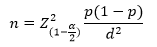
The sample size was estimated using the formula for a single proportion.
The expected proportion (p) was set at 0.7064, corresponding to the percentage of students with a positive attitude toward hepatitis B virus infection prevention reported in a previous study among nursing students at Tra Vinh University (Giang N(9)). This value was selected because it yielded the largest required sample size among the KAP domains. With a precision of d = 0.05 and a 95% confidence level, the minimum sample size was calculated to be 318 participants. This calculation was conducted for reference purposes to ensure adequate statistical power.
Sampling method
A census sampling approach was applied, in which all students enrolled in the preventive medicine program were invited to participate. A total of 374 students were included, exceeding the minimum required sample size.
Variables and data collection methods
Data were collected through direct interviews using a structured questionnaire adapted from previous studies by Giang N(9) and Nhung H et al.(5) and adjusted for contextual relevance to preventive medicine training. The questionnaire was pilot-tested with a small group of students to ensure clarity and contextual relevance.
Outcome variables: the primary outcome variables were levels of knowledge, attitudes, and practices regarding hepatitis B prevention. The cutoff of 65% was selected based on previous KAP studies in similar populations, where scores ranging from 60% to 70% have commonly been used to classify adequate knowledge, positive attitudes, and good practices. This threshold was also consistent with the scoring approach used in the original instruments from which the questionnaire was adapted.(4, 9)
Knowledge: assessed using nine items. Each correct response was assigned one point (range 0-9). Scores ≥ 6 were classified as “adequate knowledge”, consistent with predefined thresholds corresponding to approximately 65% of the total score.
Attitudes: assessed using eight Likert based items with scores ranging from 0 to 7. Scores ≥ 5 were classified as “positive attitudes”, and < 5 as “negative attitudes”.
Practices: assessed using ten items scored according to adequacy of the reported preventive behavior (range 0-10). Scores ≥ 7 were classified as “good practices”, and < 7 as “poor practices”.
Independent variables included age, sex, marital status, academic year, and academic performance. These variables were self reported and categorized as follows: sex (male/female); marital status (single/married); academic performance (above average/below average); academic year (first to sixth year).
This operational framework was applied to meet the study objectives and to ensure consistency between measurement, classification, and statistical analysis.
Statistical analysis approach
The collected data were meticulously input using Epidata version 3.1 and cleaned and analyzed using Stata software version 13.0. The study employed descriptive analysis to calculate percentages; comparative analysis to assess differences in practice level among different groups; and utilized the odds ratio (OR) and 95% confidence interval (CI) to quantify the association and its precision, with significance if the CI excludes 1.
Ethical considerations
The study protocol was approved by the Ethics Committee in Bio Medical Research-Tra Vinh University (approval number 24/GCT-HĐĐĐ, dated February 22, 2025). All procedures were conducted in accordance with the ethical standards of the institutional and national research committees and with the Declaration of Helsinki and its later amendments.
RESULTS
Baseline characteristics of participants in the survey
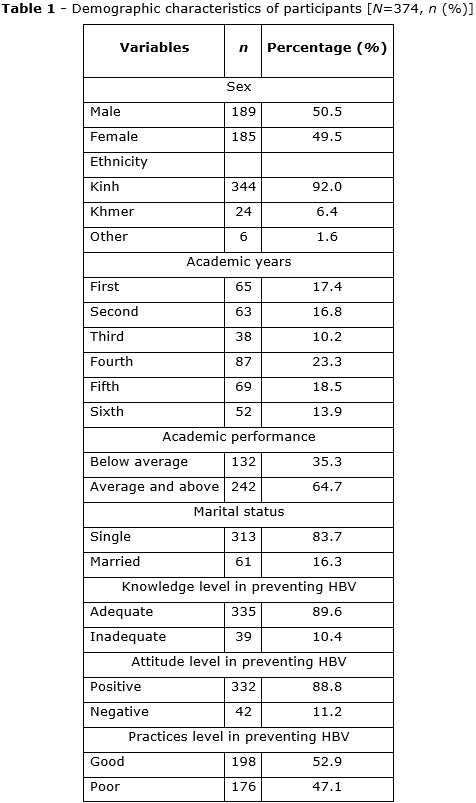
Descriptive analysis of the study sample showed that a total of 374 students participated, with a relatively balanced gender distribution: males accounted for 50.5% and females for 49.5%. Regarding ethnicity, the majority of students were of Kinh ethnicity (92.0%), followed by Khmer (6.4%), while other ethnic groups comprised 1.6%. In terms of academic performance, most students achieved an average level or above, accounting for 64.7%, whereas those with below average academic performance represented 35.3%. With respect to marital status, the majority of students were single (83.7%), and only 16.3% reported other marital statuses (table 1).
Factors associated with the knowledge level of the study participants
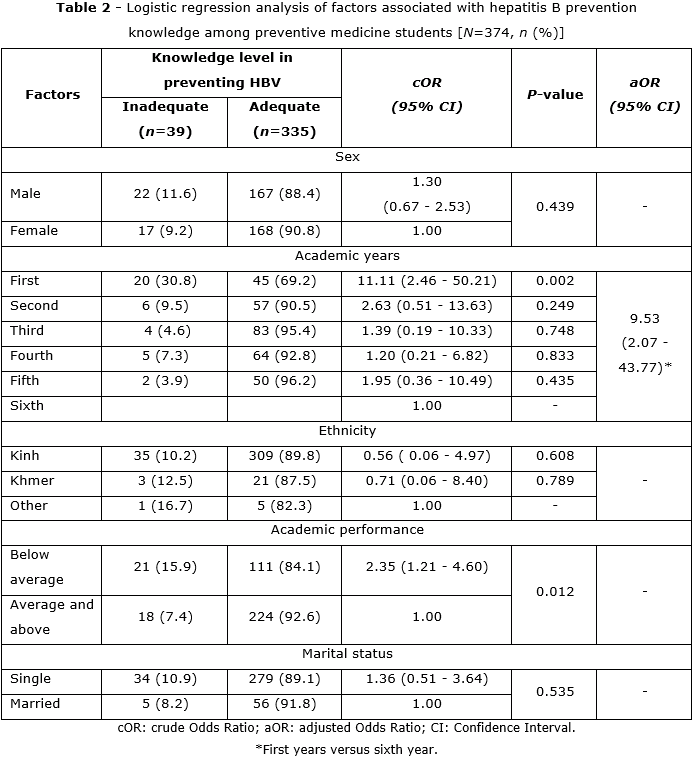
The results indicated that year of study and academic performance were the two factors significantly associated with the level of knowledge regarding hepatitis B prevention. Specifically, first year students were significantly more likely to have inadequate knowledge compared with sixth year students (cOR = 11.11; 95% CI: 2.46 - 50.21). Similarly, students with below average academic performance had a higher likelihood of inadequate knowledge than those with average or above academic performance (cOR = 2.35; 95% CI: 1.21 - 4.60). In contrast, other variables, including gender, ethnicity, and marital status, were not statistically significant (table 2).
Factors associated with the attitude level of the study participants
The results showed that students with below average academic performance were more likely to exhibit less positive attitudes compared with those achieving average or higher academic performance (cOR = 3.09; 95% CI: 1.60-5.97). Regarding marital status, single students had a higher likelihood of less positive attitudes than those in other marital status groups (cOR = 4.32; 95% CI: 1.16-18.39). Other factors, including gender, ethnicity, and year of study, were not found to be statistically significantly associated with attitudes (table 3).
Factors associated with the practice level of the study participants
Several factors were significantly associated with preventive practices, including knowledge level, attitudes, year of study, and marital status. Specifically, single students were more likely to have poor practices compared with those who were married or had other marital statuses (cOR = 2.94; 95% CI: 1.59 - 5.42). In addition, second year students had a higher likelihood of poor practices than sixth year students (cOR = 3.16; 95% CI: 1.46 - 6.82) (table 4).
DISCUSSION
The dataset used in this study has been previously described in a separate descriptive analysis. This manuscript focuses on factors associated with KAP outcomes. In this study, the gender distribution was relatively balanced, suggesting reasonable representativeness of the study population.
Knowledge regarding hepatitis B prevention
A high proportion of students (89.6%) demonstrated adequate knowledge of hepatitis B prevention, which is higher than that reported in several previous studies conducted at health sciences institutions in Viet Nam. For instance, Yen N et al.(10) reported a correct knowledge rate of 75.2% among nursing students at Pham Ngoc Thach University of Medicine. The high level of correct knowledge observed in this study may be explained by characteristics of the study population, as preventive medicine students, participants receive substantial curricular exposure to hepatitis B related content and tend to have clearer career orientations, which may promote proactive health information seeking.(11,12)
Attitudes toward hepatitis B prevention
In terms of attitudes, 88.8% of students demonstrated positive attitudes toward hepatitis B prevention, exceeding rates reported in previous studies, including those by Yen N et al.(10) (77.9%). and Giang N(9) (70.6%). This improvement may reflect the cumulative effects of health education, professional training, and institutional health communication efforts.
Practices regarding hepatitis B prevention
In contrast, only 52.9% of students demonstrated good preventive practices against hepatitis B virus infection, a proportion lower than that reported in previous studies, such as the study Giang N(9) among nursing students at Tra Vinh University (68.8%).(9) Similarly, a study by Binh N et al.(13) on knowledge of hepatitis B vaccination among students reported a correct knowledge rate of 75.2%. In addition, the study also showed that the proportion of students with correct practices was markedly lower than the proportion with correct knowledge. The lower proportion of good practices compared with knowledge suggests that behavioral adoption may require additional practical reinforcement.(14,15) The observed discrepancy between knowledge and preventive practices is supported by behavioral research suggesting that knowledge alone does not guarantee behavior change.(13,16) Factors such as self-efficacy, perceived risk, and practical skill confidence play mediating roles in translating awareness into action.(17) This pattern is evident in several knowledge practice studies where even well informed individuals failed to adopt consistent preventive behaviors without supportive skill building or reinforcement strategies.(13,18) Similar discrepancies between knowledge and practice have been reported in several previous studies.(13,16)
Nevertheless, numerous studies have continued to demonstrate a positive and consistent association between knowledge and preventive practices regarding hepatitis B prevention.(18,19) For instance, a cross sectional study among nursing students in Bangladesh found that lower knowledge and negative attitudes were significantly associated with a higher likelihood of poor preventive practices (aOR = 2.56; 95% CI: 1.29 - 5.07) and (aOR = 5.73; 95% CI: 3.19 - 10.28), respectively, highlighting the critical role of adequate knowledge in shaping behavior toward HBV prevention.(18) Despite participating in clinical internships, the relatively low level of correct practices among preventive medicine students may be partly attributable to the curriculum structure, which emphasizes epidemiological theory, prevention models, and public health management rather than individual clinical skills.(20) Therefore, greater integration of infection prevention practices into the curriculum, particularly during clinical rotations, is needed to strengthen students’ practical skills and real world preparedness.(21) In addition to individual level factors, structural barriers may also influence preventive practices.
Limited access to vaccination services, cost considerations, time constraints, and lack of organized vaccination programs within universities may contribute to incomplete vaccination schedules and low screening uptake. Integrating vaccination services into campus health programs could improve accessibility and adherence among students.
Regarding factors associated with knowledge of hepatitis B virus infection prevention, students in lower academic years were more likely to have inadequate knowledge than sixth year students, reflecting the cumulative effects of specialized training and clinical exposure. The increasing level of knowledge across academic years suggests the effectiveness of the training program. In addition, students with lower academic performance were more likely to have insufficient knowledge, indicating that stronger academic achievement is associated with better acquisition of preventive knowledge. Similar findings were reported by Binh N et al.,(13) who found significantly higher hepatitis B vaccination coverage among students with sufficient knowledge (aOR: 2.0; 95% CI 1.1 ‑ 3.9). These results highlight the critical role of both the curriculum and academic performance in improving preventive knowledge among preventive medicine students.(13,19)
Current results suggest a significant association between year of study and hepatitis B virus preventive behaviors. Second year students were more likely to demonstrate poor practices than sixth year students, possibly reflecting limited exposure to practical training at earlier stages. These findings highlight the need to integrate hepatitis B prevention practices early in the curriculum, particularly targeting lower year and unmarried students. Additionally, the study observed significant associations between correct practices and both adequate knowledge and positive attitudes. Similar trends have been reported in previous studies, including Binh N et al.,(13) which showed substantially higher vaccination coverage among sixth year medical students compared with first year healthcare students (aOR: 11.8; 95% CI 3.1 - 45.1).(13) similarly, a 2025 cross sectional study among health science students at Phenikaa University in Vietnam demonstrated that higher levels of knowledge and positive attitudes were significantly correlated with better preventive practices against HBV transmission (p < 0.05).(22) These findings are in line with theoretical frameworks emphasizing the combined role of cognitive understanding and affective factors in health related behavior change,(22) and corroborate evidence from previous community based knowledge-practice studies.(13,23)
This study has several strengths. The use of a census approach allowed inclusion of the entire population of preventive medicine students, enhancing representativeness and minimizing selection bias. The relatively high response rate improved data completeness and reliability. In addition, the study focused on a specific group of future public health professionals, providing evidence relevant for training and workforce development in disease prevention.
This study has several limitations. Due to its cross sectional design, the findings reflect associations between variables at the time of the survey and do not allow causal relationships between knowledge, attitudes, practices, and related factors. In addition, self-reported practices may be affected by social desirability bias, which could lead to overestimation of preventive behaviors. In addition, vaccination status and screening history were not verified through medical records but were based on self-report. Although the study included all students enrolled in the preventive medicine program, the total sample size was limited to 374 students because of the scale of training in this discipline at the university. This relatively small sample size may have affected the precision of the estimates and the generalizability of the findings to larger populations, and it may also have reduced the ability to detect certain associations among study variables. Nevertheless, the sample can be considered representative of the preventive medicine student population at Tra Vinh University, as a census sampling approach was employed. In addition, due to resource constraints, including limitations in funding, time, and personnel, the study was unable to incorporate qualitative research methods to further explore the underlying reasons for inadequate knowledge and practices within the study population.
Based on these findings, practical interventions such as skills based infection control workshops, campus based vaccination campaigns, and early integration of infection prevention content into the preventive medicine curriculum should be considered to improve preventive practices among students.
BIBLIOGRAPHIC REFERENCES
1. World Health Organization. Global hepatitis report 2024: action for access in low- and middle-income countries [Internet]. Geneva: WHO; 2024. [access: 05/04/2026]. Available from: https://www.who.int/publications/i/item/9789240091672
2. World Health Organization. WHO sounds alarm on viral hepatitis infections claiming 3500 lives each day [Internet]. Geneva: WHO; 2024. [access: 05/04/2026]. Available from: https://www.who.int/news/item/09-04-2024-who-sounds-alarm-on-viral-hepatitis-infections-claiming-3500-lives-each-day
3. Ministry of Health (Viet Nam). Decision No. 4532/QD-BYT dated September 24, 2021 on the plan for prevention and control of viral hepatitis 2021–2025 [Internet]. Hanoi: Ministry of Health; 2021. [access: 05/04/2026]. Available from: https://chinhphu.vn/default.aspx?pageid=27160&docid=204811
4. Nhung HT, Phu TG, Trinh NT. Knowledge and factors associated with chronic hepatitis B infection among adults in Tra Vinh province, Viet Nam, 2022 [Internet]. Vietnam Med J. 2022;520(1B):97-102. DOI: https://doi.org/10.51298/vmj.v520i1B.3846
5. Phu TG, Nhung HT, Nhung HT, Trinh NT, Nguyen N. Percentage of hepatitis B virus infection and related factors in Tra Vinh province, Vietnam [Internet]. Int J Res Med Sci. 2023;11(2):476-9. DOI: https://dx.doi.org/10.18203/2320-6012.ijrms20230156
6. Trinh LD, Binh NT, Linh HX, Phong HT. Prevalence of hepatitis B virus infection and associated factors among Khmer ethnic minority people in Cau Ke District, Tra Vinh Province, in 2021 [Internet]. Vietnam Med J. 2022;511(1):[aprox. 5 scr.]. DOI: https://doi.org/10.51298/vmj.v511i1.2031
7. Trinh L, Huyen T, Hon H, Dung N, Trinh N. Knowledge of hepatitis B prevention among Khmer ethnic people in Tra Cu District, Tra Vinh Province [Internet]. J Community Med. 2024;65(8):168-75. DOI: https://doi.org/10.52163/yhc.v65iCD8.1472
8. Babiker LM, Idriss AI, Idriss EI, Kheirelsid FE. Knowledge, Attitude, and Practice of the Medical Students of the University of Medical Sciences and Technology Towards Hepatitis B Virus Infection [Internet]. Cureus. 2025;17(7):e88402. DOI: https://doi.org/10.7759/cureus.88402
9. Giang NLH. Knowledge, attitudes and practices regarding the prevention of hepatitis B transmission among nursing students at Tra Vinh University and associated factors [Internet]. J Nurs. 2022 [access: 05/04/2026];38:90-100. Available from: http://thuvienlamdong.org.vn:84/handle/DL_134679/51865
10. Nguyen HY, Tran TXH. Knowledge, attitude and practice of nursing students on hepatitis B prevention at Pham Ngoc Thach University of Medicine [Internet]. Pham Ngoc Thach J Med Pharm. 2022;1(3):50-7. DOI: https://doi.org/10.59715/pntjmp.1.3.7
11. Abe K, Yamamoto T, Kikuchi H, Kaneko I, Konno K, Horita S, et al. Impact of clinical practice restriction on medical students’ perceptions of simulation training: a retrospective cohort study [Internet]. Med Sci Educ. 2025;36:287-93. DOI: https://doi.org/10.1007/s40670-025-02568-5
12. Almeida Lima AB, Gusmao CMP, Espirito Santo Lima L, Rocha DM, Menegueti MG, Oliveira ES, et al. Effect of an educational intervention on nursing students’ knowledge about COVID-19 and compliance with standard and transmission-based precautions: a quasi-experimental study [Internet]. BMC Nurs. 2025;24(1):1071. DOI: https://doi.org/10.1186/s12912-025-03672-y
13. Nguyen BT, Vo LY, Nguyen TV, Vo MC, Pham TD, Nguyen HTN, et al. Hepatitis B vaccination status and associated factors among health science students [Intenet]. Asian Pac J Trop Med. 2023;16(5):213-19. DOI: https://doi.org/10.4103/1995-7645.377742
14. Lebem T, Ndong A, Bah MS, Ndoye P, Niang K. Assessment of Knowledge, Attitudes, and Practices Regarding Hepatitis B among Students at Gaston Berger University of Saint-Louis in 2024 [Intenet]. Health. 2024;16:1101-16. DOI: https://doi.org/10.4236/health.2024.1611076
15. Huynh G, Pham LA, Tran TT, Cao NN, Nguyen TN, Bui QV. How knowledge of hepatitis B disease and vaccine influences vaccination practices among parents in Ho Chi Minh City, Vietnam [Internet]. Asian Pac J Trop Med. 2021;14(3):122-7. DOI: https://doi.org/10.4103/1995-7645.307534
16. Phu TG, Hung TG, Tram VT, Hien NT. Effectiveness of communication interventions for toxocariasis prevention among the Khmer population in Tra Cu District, Tra Vinh Province, Vietnam [Internet]. Vietnam J Prev Med. 2024;34(8):105-15. DOI: https://doi.org/10.51403/0868-2836/2024/2149
17. Munuo GD, Masika GM. Using Health Belief Model to predict hepatitis B vaccination uptake among undergraduate nursing students [Internet]. East Afr Health Res J. 2024;8(2):271-9. DOI: https://doi.org/10.24248/eahrj.v8i2.790
18. Tamanna SS, Paul KD, Al Banna MH, Zannat Z, Paul AK, Sultana S, et al. Preventive practices toward hepatitis B infection among nursing students in Bangladesh: role of knowledge, attitudes and sociodemographic factors [Internet]. BMC Nurs. 2024;23(1):190. DOI: https://doi.org/10.1186/s12912-024-01870-8
19. Babiker LM, Idriss AI, Idriss EI, Kheirelsid FE. Knowledge, attitude and practice of medical students toward hepatitis B virus infection [Internet]. Cureus. 2025;17(7):e88402. DOI: https://doi.org/10.7759/cureus.88402
20. Griffith MM, Field E, Huang ASE, Shimada T, Battsend M, Housen T, et al. How learning happens in field epidemiology training programs: a qualitative study [Internet]. BMC Med Educ. 2025;25(1):411. DOI: https://doi.org/10.1186/s12909-025-06982-6
21. Kaba HEJ, Misailovski M, Brähler J, Garcia J, Artelt T, Raupach T, et al. Innovative teaching in infection prevention and control and infectious diseases education: testing and investigation of student perceptions [Internet]. Infection. 2025;53(1):139-43. DOI: https://doi.org/10.1007/s15010-024-02332-8
22. Lan H, Dung N, Trang N, Thao N. Knowledge, attitudes and practices regarding hepatitis B prevention among health sciences students at Phenikaa University [Internet]. J Community Med. 2025; 66(10):239-45. DOI: https://doi.org/10.52163/yhc.v66iCD10.2642
23. Phu TG, Hung TG. Socioeconomic characteristics influencing knowledge, attitudes and practices in toxocariasis prevention among adults [Internet]. Asian Pac J Trop Med. 2025;18(12):541-50. DOI: https://doi.org/10.4103/apjtm.apjtm_254_25
Conflicts of interest
The authors declare that they have no potential conflicts of interest relevant to this article.
Authorship contribution
Conceptualization: Tao Gia Phu, Nguyen Thi Hong Dao, Nguyen Huynh Truong Son.
Data curation: Nguyen Thi Hong Dao, Nguyen Huynh Truong Son.
Formal analysis: Tao Gia Phu, Nguyen Thi Hong Dao, Nguyen Huynh Truong Son.
Investigation: Nguyen Thi Hong Dao, Nguyen Huynh Truong Son.
Methodology: Tao Gia Phu.
Validation: Tao Gia Phu.
Visualization: Tao Gia Phu.
Writing - original draft: Tao Gia Phu.
Writing: review & editing: Tao Gia Phu.
Data Availability Statement
The database is available upon request to the corresponding author at the following email address: tgphu@tvu.edu.vn