Research Article
Effects of medical protective clothing on thermal status and health indicators in medical students
Efectos de la ropa de protección médica sobre el estado térmico y salud en estudiantes
Nguyen Hoang Trung1* https://orcid.org/0000-0003-3527-7037
Tong Duc Minh1 https://orcid.org/0000-0001-5449-0832
Nguyen Van Chuyen1 https://orcid.org/0000-0001-9507-8377
Phan Van Manh2 https://orcid.org/0000-0002-0851-786X
1Vietnam Military Medical University. Department of Military Hygiene. Hanoi, Vietnam.
*Author for correspondence. Email: nguyenhoangtrung1906@gmail.com
ABSTRACT
Introduction: Full medical personal protective equipment (PPE) may increase thermal strain in the wearer.
Objective: To evaluate the effects of full medical PPE on body thermal status and selected cardiovascular, respiratory, and physical performance indicators in healthy male medical students under simulated hot conditions.
Methods: An experimental study was conducted on 30 healthy male medical students at Vietnam Military Medical University from March 2025 to December 2025.
Results: After exercise, estimated core (sublingual) temperature increased under both conditions and was higher when wearing PPE (Δ = 0.65°C vs. 0.31°C). Mean skin temperature increased by 0.58°C with PPE versus 0.33°C without it, while mean body temperature increased by 0.64°C and 0.31°C, respectively (all p < 0.001). Heat storage was higher in the PPE condition (24.95 ± 6.57 vs 9.82 ± 4.76 kcal/m²; p = 0.010), whereas evaporated sweat and sweat evaporation efficiency were lower. Post-exercise systolic blood pressure was higher and post-exercise trunk pull strength was lower when wearing PPE.
Conclusions: PPE increase thermal strain, reduce heat dissipation efficiency, and adversely affect some cardiovascular and physical performance indicators under simulated hot conditions.
Keywords: body temperature; heat stress disorders; muscle strength; personal protective equipment.
RESUMEN
Introducción: El equipo de protección personal (EPP) médico completo puede aumentar la carga térmica del usuario.
Objetivo: Evaluar los efectos del EPP médico completo sobre el estado térmico corporal y algunos indicadores cardiovasculares, respiratorios y de rendimiento físico en estudiantes varones sanos, de medicina, bajo condiciones de calor simulado.
Métodos: Se realizó un estudio experimental en 30 estudiantes varones de medicina sanos de la Academia Médica Militar de Vietnam entre marzo de 2025 y diciembre de 2025.
Resultados: Después del ejercicio, la temperatura central estimada (sublingual) aumentó en ambas condiciones y fue mayor al usar EPP (Δ = 0,65 °C frente a 0,31 °C). La temperatura media cutánea aumentó 0,58 °C con EPP frente a 0,33°C sin EPP, mientras que la temperatura corporal media aumentó 0,64°C y 0,31°C, respectivamente (todos p< 0,001). El almacenamiento de calor fue mayor en la condición con EPP (24,95 ± 6,57 frente a 9,82 ± 4,76 kcal/m²; p= 0,010), mientras que la cantidad de sudor evaporado y la eficiencia de evaporación del sudor fueron menores. La presión arterial sistólica posterior al ejercicio fue más alta y la fuerza de tracción del tronco posterior al ejercicio fue menor al usar EPP.
Conclusiones: El EPP médico completo incrementa la carga térmica, reduce la eficiencia de disipación del calor y afecta de manera desfavorable algunos indicadores cardiovasculares y de rendimiento físico bajo condiciones de calor simulado.
Palabras clave: equipo de protección personal; fuerza muscular; temperatura corporal; trastornos por estrés térmico.
Received: 01/05/2026
Approved: 14/09/2026
INTRODUCTION
In the context of the COVID-19 pandemic and other high-risk infectious disease situations, full medical personal protective equipment (PPE) has become an indispensable means of protecting healthcare workers against occupational exposure. However, the closed, multilayered design and low moisture permeability of PPE also increase the risk of heat stress, particularly in hot and humid environments or during prolonged physical activity.(1,2,3)
Recent reviews have shown that the adverse effects of PPE on the physical health of healthcare workers are very common, with the incidence of adverse events reaching nearly 80%; the most frequent complaints include headache, profuse sweating, dyspnea, fatigue, and skin lesions.(3) Under hot conditions, wearing PPE further increases core temperature, skin temperature, and heart rate while reducing thermal comfort and work performance.(2,4,5,6) Experimental studies have shown that when environmental heat and PPE are combined, thermal strain rises markedly, and dehydration due to sweating inside the enclosed garment is also a notable concern.(6,7,8,9) Most studies have focused on descriptive surveys or on cardiovascular changes when healthcare workers perform prolonged work in protective equipment.(10)
In Vietnam, quantitative experimental data on the effects of PPE on thermal status and physiological indicators under standardized simulated conditions remain limited. Meanwhile, international studies emphasize the need to develop heat stress management policies, including work-rest scheduling, rehydration, personal cooling, and physiological monitoring at the workplace.(1,5) Therefore, this study was conducted to evaluate the effects of PPE on body thermal status and on selected cardiovascular, respiratory, and physical performance indicators in healthy male medical students under simulated hot conditions.
METHODS
Study subjects
This was an experimental study with within-subject repeated comparisons, conducted in the climatic chamber of the Department of Military Hygiene, Center for Military Medical Training, Research and Education, Vietnam Military Medical University, from March 2025 to December 2025. The subjects were 30 male medical students of Vietnam Military Medical University who volunteered to participate; all were healthy young men without chronic diseases and were classified as health category I at routine medical examinations. Exclusion criteria included: smoking, current acute illness, ongoing medication use, a history of chronic disease affecting cardiovascular, respiratory, or thermoregulatory responses, or unwillingness to continue participation.
Implementation method
The full medical PPE ensemble used in this study was disposable and made of polypropylene non-woven fabric, comprising a hooded coverall, shoe covers, a face mask, gloves, and goggles or a face shield. The tests were performed in a climatic chamber under conditions simulating the hot season according to TCVN 7212:2009, with an air temperature of 32°C, relative humidity of 82%, and air velocity close to 0 m/s. Two experimental conditions were applied: (1) Exercise in the hot environment without PPE, and (2) exercise in the same environment while wearing PPE.
Each subject had baseline measurements taken, including age, height, body weight, BMI, blood pressure, heart rate, SpO₂, handgrip strength, trunk pull strength, sublingual temperature, and skin temperature, followed by continuous exercise on a cycle ergometer at 15 km/h for 30 minutes. The two experimental sessions were conducted on two separate days. Immediately after exercise, physiological and thermal variables were re-measured; heart rate was additionally assessed after a 3-minute recovery period. Body and clothing weights before and after exercise were recorded to calculate total sweat secretion, evaporated sweat, and sweat evaporation efficiency.
Variables
The study variables were grouped into three domains:
(1) Thermal indices included estimated core temperature (sublingual temperature, used as a surrogate for core temperature), skin temperature at the forearm, chest, and lower leg (measured with an infrared thermometer), mean skin temperature, mean body temperature, heat storage, total sweat secretion, evaporated sweat, and sweat evaporation efficiency. Mean skin temperature was calculated using the Burton formula: Tskin = 0.5 × Tchest + 0.36 × Tlower-leg + 0.14 × Tforearm, which provides a weighted estimate of peripheral thermal status based on representative skin sites. Mean body temperature was calculated as Tbody = 0.9 × Tcore + 0.1 × Tskin. Heat storage was calculated using the formula S = c × P × ΔT / A, where S is heat storage (kcal/m²), c is the specific heat of body tissues, P is body mass (kg), ΔT is the change in mean body temperature before and after exercise (°C), and A is body surface area (m²), estimated from height and body weight using the Du Bois formula: A = 0.007184 × height(cm)0.725 × weight(kg)0.425. This index reflects the amount of heat retained in the body per unit of body surface area; a higher value indicates greater internal heat accumulation and a higher thermal burden. Total sweat secretion was estimated from body and clothing weight changes before and after exercise, whereas evaporated sweat represented the portion of sweat effectively contributing to heat dissipation. Sweat evaporation efficiency was expressed as the proportion of total sweat secretion that was evaporated.
(2) Health indices included heart rate, systolic blood pressure, diastolic blood pressure, and peripheral oxygen saturation (SpO₂).
(3) Physical performance indices included dominant handgrip strength, non-dominant handgrip strength, and trunk pull strength.
Statistical analysis
Data were entered and processed using SPSS software version 26.0 (IBM Corp., Armonk, NY, USA). Quantitative variables are expressed as mean ± standard deviation. For normally distributed data, paired-samples t tests were used; for non-normally distributed data, the Wilcoxon signed-rank test was used. A p value < 0.05 was considered statistically significant.
Ethical considerations
The study was approved by the Institutional Ethics Committee of Vietnam Military Medical University (Decision No. 569/QĐ-HVQY, February 27, 2025) and conducted in accordance with the Declaration of Helsinki. All participants provided voluntary informed consent before enrollment, and all personal data were kept confidential.
RESULTS
Healthy male medical students (n = 30) completed both experimental sessions. The mean age of the participants was 21.9 ± 0.8 years, and the mean body mass index was 22.8 ± 2.0 kg/m². All participants were classified as having good general health before enrollment.
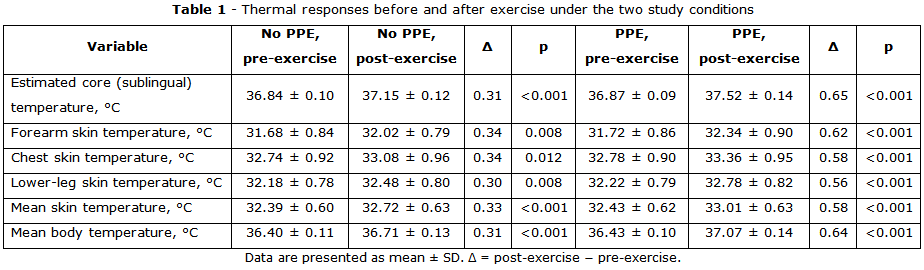
Table 1 Summarizes the thermal responses before and after exercise under the two study conditions. Estimated core (sublingual) temperature increased significantly after exercise in both conditions, rising by 0.31°C without PPE and by 0.65°C with PPE (both p < 0.001). Forearm, chest, and lower-leg skin temperatures also increased significantly in both conditions, with consistently greater increments in the PPE condition. Mean skin temperature rose significantly from 32.39 ± 0.60°C to 32.72 ± 0.63°C without PPE (Δ = 0.33°C; p < 0.001) and from 32.43 ± 0.62°C to 33.01 ± 0.63°C with PPE (Δ = 0.58°C; p < 0.001). Similarly, mean body temperature increased significantly in both conditions, with a larger rise when wearing PPE (Δ = 0.64°C) than without PPE (Δ = 0.31°C).
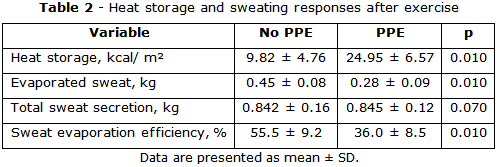
The data in table 2 show clear differences in heat storage and sweating responses after exercise. Heat storage was higher in the PPE condition than in the no-PPE condition (24.95 ± 6.57 vs. 9.82 ± 4.76 kcal/m²; p = 0.010). Evaporated sweat was lower with PPE (0.28 ± 0.09 vs. 0.45 ± 0.08 kg; p = 0.010), while total sweat secretion was similar between the two conditions (0.845 ± 0.12 vs. 0.842 ± 0.16 kg; p = 0.070). Sweat evaporation efficiency was also lower in the PPE condition (36.0 ± 8.5% vs. 55.5 ± 9.2%; p = 0.010).
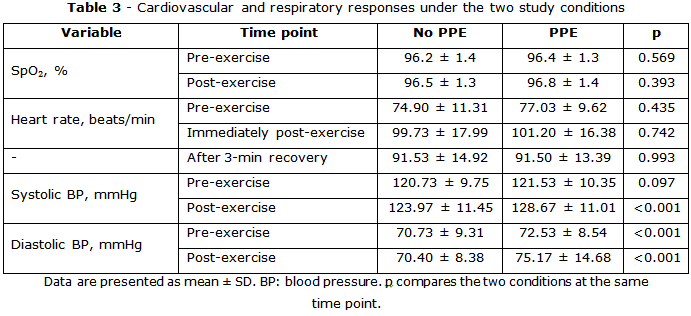
Heart rate was numerically higher after exercise in both conditions, but the between-condition differences were small at baseline, immediately post-exercise, and after 3 minutes of recovery (table 3). In contrast, systolic blood pressure after exercise was higher in the PPE condition than in the no-PPE condition (128.67 ± 11.01 vs. 123.97 ± 11.45 mmHg; p < 0.001). Diastolic blood pressure was also higher in the PPE condition at both measurement time points.
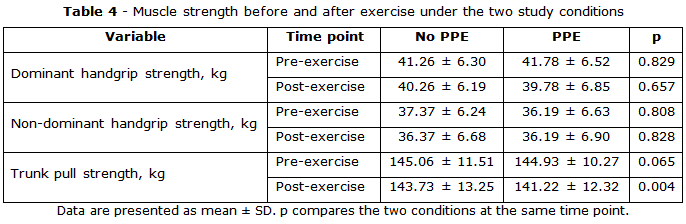
Muscle strength outcomes are presented in table 4. Dominant and non-dominant handgrip strength did not differ significantly between the two conditions either before or after exercise. The trunk pull strength was comparable between conditions before exercise, but after exercise it was lower in the PPE condition than in the no-PPE condition (141.22 ± 12.32 kg vs 143.73 ± 13.25 kg; p = 0.004).
DISCUSSION
Effects on thermal status and sweating
This study showed that exercise in a simulated hot environment markedly increased the body thermal load under both conditions, but the increase was consistently greater when PPE was worn. Estimated core temperature rose significantly after exercise in both the no-PPE and PPE conditions, by 0.31°C and 0.65°C, respectively. Similarly, skin temperatures at the forearm, chest, and lower leg increased under both conditions and rose more when PPE was worn. Notably, mean skin temperature increased by 0.33°C without PPE and by 0.58°C with PPE, while mean body temperature increased by 0.31°C and 0.64°C, respectively. These data indicate that PPE not only increases peripheral heat load but also amplifies whole-body heat accumulation during 30 minutes of exercise in a hot, humid environment. This finding is consistent with the pathophysiology of heat stress when wearing closed protective clothing. PPE limits convective heat exchange and impedes sweat evaporation, so heat generated during exercise is poorly dissipated to the environment. Recent studies have shown that the combination of environmental heat and protective clothing raises body temperature, skin temperature, and thermal discomfort in healthcare workers.(8,9,11) Wibowo R et al. (9) reported that wearing PPE under controlled conditions increased skin temperature and aggravated heat strain in healthcare workers. In our study, the larger increases in estimated core and mean body temperature may be explained by climatic chamber conditions of 32°C, 82% relative humidity, and almost no air movement, combined with 30 minutes of continuous cycle ergometer exercise, which created a more unfavorable setting for heat dissipation.
Another important finding is that heat storage in the PPE condition was markedly higher than in the no-PPE condition (24.95 vs 9.82 kcal/m²), while total sweat secretion was nearly equivalent between the two conditions. The main difference lay in the efficiency of evaporative heat dissipation: both evaporated sweat and sweat evaporation efficiency were lower when wearing PPE. This indicates that the body still responded to thermal load by increasing sweat secretion, but the PPE ensemble impaired evaporative cooling, so heat was retained in the body rather than released to the environment. This mechanism is consistent with the occupational heat stress model described in the literature, in which the hot and humid microclimate inside protective clothing is the central factor that increases heat accumulation and reduces exercise tolerance.(11,12)
Cardiovascular, respiratory, and muscle strength responses
SpO₂ in this study changed only slightly and remained within normal limits, in line with several studies in healthy healthcare workers showing that respiratory protective equipment usually causes only small changes in oxygen saturation over short periods of use.(10,11) Heart rate increased after exercise under both conditions but did not differ significantly between the two conditions at the same time points. This may reflect that the 30-minute exposure was not long enough to produce clearly different heart rate responses, whereas Le HTN et al.(8) reported more pronounced changes in heart rate variability after 3 hours of wearing PPE. In contrast, post-exercise systolic blood pressure was clearly higher in the PPE condition (128.67 vs. 123.97 mmHg; p < 0.001). This may reflect greater cardiovascular strain from combined exercise, heat exposure, and PPE use. Diastolic blood pressure was also higher in the PPE condition at both time points, although this should be interpreted cautiously because baseline diastolic blood pressure also differed between conditions.
Post-exercise trunk pull strength was lower in the PPE condition than in the no-PPE condition (141.22 kg vs 143.73 kg; p = 0.004), whereas dominant and non-dominant handgrip strength did not differ significantly between the two conditions. This finding suggests that trunk-pull performance may be more susceptible to the combined thermal and exercise load. Possible mechanisms include: (1) Elevated estimated core temperature reducing central motor neural drive and increasing muscle fatigue; (2) circulatory redistribution from working muscles to the skin for heat dissipation, reducing oxygen supply to the large trunk muscle groups; and (3) latent dehydration due to ineffective sweat evaporation, affecting circulating volume and the ability to sustain force. Small hand muscles may be less affected because of their lower perfusion demand and weaker dependence on central thermoregulatory mechanisms. Several other studies have also reported that heat stress combined with PPE reduces work performance and adversely affects the overall health of healthcare workers in hospital settings.(12,14,15)
Practical implications and limitations
These results support the need to implement multiple heat stress mitigation measures simultaneously in healthcare settings. Solutions such as cooling vests, cold beverages, and cooling breaks can clearly improve thermal sensation and partially improve physiological responses.(4,5,13) Jamshidi H et al.(13) showed that cooling vests combined with PPE improved physiological indices and subjective perception in hospital nurses. Freire K et al.(14) emphasized that current evidence has focused mainly on individual measures and that additional organizational-level strategies are needed, such as scheduled rest breaks, heat stress monitoring, and worker protection policies.(14)
This study has several limitations: The subjects were only healthy young men, so the findings cannot be generalized to women, older adults, or healthcare workers in field settings; the climatic chamber model standardized exposure but did not fully reflect the diversity of clinical work. Further studies should expand the sample size, add field data, and evaluate the effectiveness of cooling interventions. Sublingual temperature was used only as an estimate of core temperature, and session-order learning or adaptation effects cannot be excluded.
In summary, under simulated hot conditions, PPE markedly increased the body thermal load, as shown by larger increases in estimated core temperature, mean skin temperature, mean body temperature, and heat storage compared with the no-PPE condition. At the same time, PPE reduced both evaporated sweat and sweat evaporation efficiency, indicating substantially impaired heat dissipation. In addition, wearing PPE was associated with higher post-exercise systolic blood pressure and lower post-exercise trunk pull strength. These results support the need to develop cooling-break schedules, rehydration strategies, and improved PPE design for hot and humid working environments.
BIBLIOGRAPHIC REFERENCES
1. World Health Organization. COVID-19: occupational health and safety for health workers. Geneva: WHO; 2021. [access: 01/04/2026]. Available from: https://www.who.int/publications/i/item/WHO-2019-nCoV-HCW_advice-2021-1
2. Bose-O'Reilly S, Daanen HAM, Deering K, Gerrett N, Elizabeth-Huynen MMT, Lee J, et al. COVID-19 and heat waves: new challenges for healthcare systems [Internet]. Environmental Research. 2021; 198:111153. DOI: 10.1016/j.envres.2021.111153
3. Galanis P, Vraka I, Fragkou D, Bilali A, Kaitelidou D. Impact of personal protective equipment use on health care workers' physical health during the COVID-19 pandemic: a systematic review and meta-analysis [Internet]. American Journal of Infection Control. 2021; 49(10):1305-15. DOI: 10.1016/j.ajic.2021.04.084
4. de Korte JQ, Bongers CCWG, Catoire M, Kingma BRM, Eijsvogels TMH. Cooling vests alleviate perceptual heat strain perceived by COVID-19 nurses [Internet]. Temperature (Austin). 2021; 9(1):103-13. DOI: 10.1080/23328940.2020.1868386
5. Bongers CCWG, de Korte JQ, Zwartkruis M, Levels K, Kingma BRM, Eijsvogels TMH. Heat strain and use of heat mitigation strategies among COVID-19 healthcare workers wearing personal protective equipment—a retrospective study [Internet]. International Journal of Environmental Research and Public Health. 2022; 19(3):1905. DOI: 10.3390/ijerph19031905
6. Rojo-Rojo A, Pujalte-Jesús MJ, Hernández-Sánchez E, et al. Risk of dehydration due to sweating while wearing personal protective equipment in COVID-19 clinical care: a pilot study [Internet]. Healthcare (Basel). 2022; 10(2):267. DOI: 10.3390/healthcare10020267
7. Sorensen C, Hess J. Treatment and prevention of heat-related illness [Internet]. The New England Journal of Medicine. 2022; 387(15):1404-13. DOI: 10.1056/NEJMcp2210623
8. Le HTN, Nguyen KX, Nguyen TD, et al. Effects of three-hour wearing personal protective equipment on heart rate variability in healthcare workers for the treatment of COVID-19 patients [Internet]. International Journal of General Medicine. 2023; 16:2531-39. DOI: 10.2147/IJGM.S413626
9. Wibowo R, Do V, Quartucci C, Koller D, Daanenet HAM, Nowak D, et al. Effects of heat and personal protective equipment on thermal strain in healthcare workers: part B—application of wearable sensors to observe heat strain among healthcare workers under controlled conditions [Internet]. International Archives of Occupational and Environmental Health. 2024; 97(1):35-43. DOI: 10.1007/s00420-023-02022-2
10. Kumar P, Nath K, Prasad A, et al. Effects of the use of N95 masks on the vital signs of healthy healthcare workers during the COVID-19 pandemic: a hospital-based cross-sectional study [Internet]. Cureus. 2023; 15(6):e40622. DOI: 10.7759/cureus.40622
11. Gibb K, Beckman S, Vergara XP, Heinzerling A, Harrison R. Extreme heat and occupational health risks [Internet]. Annual Review of Public Health. 2024; 45(1):315-335. DOI: 10.1146/annurev-publhealth-060222-034715
12. Wibowo R, Satow M, Quartucci C, Weinmann T, Koller D, Daanenet HAA, et al. Impact of heat stress and protective clothing on healthcare workers: health, performance, and well-being in hospital settings [Internet]. Annals of Work Exposures and Health. 2025; 69(6):665-75. DOI: 10.1093/annweh/wxaf026
13. Jamshidi H, Zamanian Z, Daneshmandi H, et al. The effect of cooling vest along with hospital full-body protection equipment on physiological and cognitive indicators among hospital nurses: an interventional study [Internet]. BMC Health Services Research. 2025; 25(1):1481. DOI: 10.1186/s12913-025-13671-z
14. Freire K, Green E, Kernaghan L, Castelletto K, Schubert JA. Impact of heat and mitigation strategies on healthcare professionals: a scoping review [Internet]. Public Health Nursing. 2025; 42(3):1408-20. DOI: 10.1111/phn.13534
15. Notley SR, Meade RD, Looney DP, Chapman CL, Potter AW, Fogartyet A, et al. Physiological monitoring for occupational heat stress management: recent advancements and remaining challenges [Internet]. Applied Physiology, Nutrition, and Metabolism. 2025; 50:1-14. DOI: 10.1139/apnm-2024-0395
Conflict of interest
The author(s) declared no potential conflicts of interest with respect to the research, authorship, and/or publication of this article.
Authorship contribution
Conceptualization: Nguyen Hoang Trung.
Data curation: Nguyen Hoang Trung, Tong Duc Minh.
Formal analysis: Nguyen Hoang Trung.
Research: Nguyen Hoang Trung, Tong Duc Minh.
Methodology: Nguyen Hoang Trung, Nguyen Van Chuyen, Phan Van Manh.
Project administration: Nguyen Hoang Trung.
Supervision: Tong Duc Minh, Nguyen Van Chuyen, Phan Van Manh.
Writing – original draft: Nguyen Hoang Trung.
Drafting - Revision and editing: Nguyen Hoang Trung, Tong Duc Minh, Nguyen Van Chuyen, Phan Van Manh.
Data Availability Statement
This research data is confidential according to the applicable confidentiality agreements and regulations and, therefore, cannot be publicly displayed or shared. Access to these data requires proper authorization. For any questions or further information, please contact Nguyen Hoang Trung at nguyenhoangtrung1906@gmail.com.