Research Article
In vitro antibacterial activity of oral OLEOZON® on bacteria isolated from root canals
Actividad antibacteriana in vitro del OLEOZON® oral sobre bacterias aisladas de conductos radiculares
José Carlos Alvarez Hernández1* https://orcid.org/0000-0002-5659-4317
Orietta Margarita García Sánchez2 https://orcid.org/0009-0004-8177-6368
Lizandro Michel Pérez García3 https://orcid.org/0000-0003-3111-0432
Jacqueline Díaz Luis2 https://orcid.org/0000-0003-1778-211X
Marileidi Morales Cabrera4 https://orcid.org/0000-0002-9311-153X
Sahily García Novoa4 https://orcid.org/0000-0003-2151-4388
1Policlínico Docente Universitario Sur de Morón. Departamento de Estomatología. Morón, Ciego de Ávila, Cuba.
2Hospital Provincial General Docente “Roberto Rodríguez Fernández”. Morón, Ciego de Ávila, Cuba.
3Clínica Estomatológica Docente Provincial “Ortelio Pestana Lorenzo”. Sancti Spíritus, Cuba.
4Universidad de Ciencias Médicas de Ciego de Ávila. Facultad de Ciencias Médicas de Morón. Ciego de Ávila, Cuba.
*Autor para correspondencia. Correo electrónico: josecarlosalvarez25@gmail.com
ABSTRACT
Introduction: Oral OLEOZON® is a natural medicine product effective for intestinal giardiasis and as a therapeutic alternative for various oral conditions; however, its antibacterial properties are not sufficiently documented.
Objective: To evaluate the in vitro antibacterial activity of oral OLEOZON® on bacteria isolated from root canals.
Methods: An in vitro experimental study was carried out. Six bacteria belonging to the Staphylococcus, Enterococcus, Klebsiella, Pseudomonas, and Escherichia kingdoms were analyzed. These bacteria were present in the root canals of patients diagnosed with pulp necrosis and without prior endodontic treatment. Ten replicates were performed per bacterium and per group (total: 240 tests). Antibacterial activity was determined using the agar diffusion method. Inhibition zones, bacterial sensitivity, and the relative inhibitory percentage compared to positive controls were determined. Descriptive and inferential statistics were used.
Results: Oral OLEOZON® showed superior halos against coagulase-negative Staphylococcus (28.7 ± 2.88 mm), Staphylococcus aureus (20.5 ± 2.48 mm), and Escherichia coli (17.2 ± 1.16 mm), with statistically significant differences confirmed by post hoc analysis (p = 0.000). Regarding bacterial susceptibility, isolates treated with oral OLEOZON® were in the very sensitive (41.7%) and extremely sensitive (36.7%) categories. The inhibitory capacity of oral OLEOZON® was 573.0% against erythromycin in cases of Escherichia coli, 410.0% versus azithromycin in cases of Staphylococcus aureus, and 317.2% versus amoxicillin against Klebsiella pneumoneae.
Conclusions: Oral OLEOZON® demonstrated significant antibacterial activity in vitro compared to the antibiotics tested.
Keywords: anti-bacterial agents; microbial sensitivity tests; mouth diseases; ozone therapy; plant oils.
RESUMEN
Introducción: OLEOZON® oral es un producto de la medicina natural, eficaz en la giardiasis intestinal y alternativa terapéutica de diversas afecciones bucales; no obstante, sus propiedades antibacterianas no se han documentado lo suficiente.
Objetivo: Evaluar la actividad antibacteriana in vitro del OLEOZON® oral sobre bacterias aisladas de conductos radiculares.
Métodos: Estudio experimental in vitro. Se analizaron seis bacterias de los reinos Staphylococcus, Enterococcus, Klebsiella, Pseudomona y Escherichia, presentes en conductos radiculares de pacientes con diagnóstico de necrosis pulpar, sin tratamiento endodóntico previo. Se realizaron 10 réplicas por bacteria y por grupo (240 pruebas). La actividad antibacteriana se realizó mediante el método de difusión en agar. Se determinaron los halos de inhibición, sensibilidad bacteriana y el porcentaje inhibitorio relativo, en contraste con controles positivos. Se empleó estadística descriptiva e inferencial.
Resultados: OLEOZON® oral mostró halos superiores frente a Staphylococcus coagulasa negativo (28,7 ± 2,88 mm), Staphylococcus aureus (20,5 ± 2,48 mm), y Escherichia coli (17,2 ± 1,16 mm), con diferencias estadísticas significativas confirmadas mediante análisis post hoc (p = 0,000). En la sensibilidad bacteriana, los aislamientos con OLEOZON® oral se encontraban en muy sensible (41,7 %) y sumamente sensible (36,7 %). La capacidad inhibitoria del OLEOZON® oral fue del 573,0 % frente a la eritromicina en Escherichia coli, 410,0 % versus azitromicina en Staphylococcus aureus, y 317,2 % de amoxicilina frente a Klebsiella pneumoneae.
Conclusiones: El OLEOZON® oral demostró una notable actividad antibacteriana in vitro en comparación con los antibióticos evaluados.
Palabras clave: aceites de plantas; antibacterianos; enfermedades de la boca; ozonoterapia; pruebas de sensibilidad microbiana.
Received: 27/11/2025
Approved: 06/03/2026
INTRODUCTION
Root canal infection is a dynamic process dominated by different bacterial species.(1) Various investigations have been carried out over time to identify the microorganisms that make up the endodontic microbiota, from isolation in cultures to massive sequencing, which has allowed the identification of around 500 microbial species, of which 20 to 30 are the most prevalent in the different stages of pulp and periradicular diseases.(2,3,4)
Endodontic treatment seeks to eliminate this bacterial load; however, some species may resist conventional treatment, thus requiring the use of a non-toxic medication capable of destroying pathogens, modulating and reducing inflammation, and facilitating tissue repair.(5,6)
Ozonized vegetable oils are produced after the oxidation process generated by ozone in the fatty acids and other components of vegetable oil. Their regenerative and antibacterial mechanism of action is achieved through direct oxidation, which destroys the bacterial cell wall and the inner membrane of spore-forming microorganisms through the oxidation of their components. Regarding the above, it is emphasized that the mechanism of action of ozonized oils, in general, is similar to the action produced by conventional antimicrobials.(7)
Oral OLEOZON® is a natural medicine product, with an active ingredient of ozonized sunflower oil, developed and produced in Cuba by the National Center for Scientific Research (CNIC) and registered by the Center for State Control of Medicines and Medical Devices (CECMED), with antiparasitic pharmacological action and indicated in cases of intestinal giardiasis.(8) The use of this product in dentistry sciences shows effective results as a therapeutic alternative for various oral conditions.(9)
Despite the growing interest in ozonized oils as therapeutic alternatives, there is currently no evidence of publications specifically documenting the in vitro or in vivo antibacterial properties of the commercial oral product OLEOZON® in the context of oral, endodontic, or systemic infections. Since the exact composition of oral OLEOZON® differs in concentration and route of administration compared to its topical variant (topical OLEOZON®), it is not possible to extrapolate the results obtained in other studies without specific validation.
On the other hand, bacterial resistance to antibiotics used during endodontic treatment is increasingly common, which is why there is an urgent need to study new products that demonstrate clinical efficacy and safety that are no less effective or equivalent to conventional treatments.
These arguments constitute a gap in the scientific literature, justifying the present study, the objective of which is to evaluate the in vitro antibacterial activity of oral OLEOZON® on bacteria isolated from root canals.
METHODS
An experimental, in vitro study was carried out in the Microbiology Laboratory of the “Roberto Rodríguez Fernández” Provincial General Teaching Hospital, in the Morón municipality, Ciego de Ávila province, from September 2024 to May 2025. The following groups were established: Experimental (oral OLEOZON®) and as positive controls: (1) amoxicillin, (2) erythromycin, and (3) azithromycin.
Microbiological population
Bacterial cultures of Staphylococcus aureus, coagulase-negative Staphylococcus, Enterococcus faecalis, Klebsiella pneumoneae, Pseudomonas aeruginosa, and Escherichia coli were identified in the root canals of patients with a clinical and radiographic diagnosis of pulp necrosis, without prior endodontic treatment, who attended the Department of Dentistry at the South University Polyclinic in Morón during the aforementioned period. Ten replicates were performed per bacteria per group (total: 240 samples). Informed consent was obtained prior to collection.
Sample collection
Samples were taken in the Department of Dentistry at the South University Polyclinic, and the processing and analysis of the identified bacterial strains was carried out in the Microbiology Laboratory of the “Roberto Rodríguez Fernández” Provincial General Teaching Hospital, strictly adhering to biosafety standards.
The bacterial species were collected before proceeding with the biomechanical preparation of the root canals (after sanitizing and isolating the tooth to be treated). These were carried out using sterile paper points, which were transported in liquid thioglycolate enrichment medium according to the instructions of the Institute of Clinical and Laboratory Standards.(10)
Bacterial culture and identification
Samples transported in thioglycolate were transferred to a HIRAYAMA® incubator (always the same one) at 37°C for 24 hours. If no bacterial growth was observed, they were reincubated for another 24 hours. Afterwards, physiological tests for plasma coagulase and biochemical tests for lysine, Kliguer, indole/motility, citrate, and sorbitol were performed, and the samples were incubated for 24 hours at 37°C, according to the growth of the germ.(10)
Mueller-Hinton agar(11) and sheep blood agar(10,12) were used as growth media; to obtain well-isolated colonies, the Scottish streak technique was performed, and the culture was transferred to the incubator at 37°C for 24 hours.(13)
Bacterial inoculum preparation
A sample of the identified bacterial colonies formed on each plate was taken with a sterile swab, and serial dilutions were made. The bacterial cultures were adjusted to a turbidity equivalent to 0.5 colony-forming units (CFU) on the McFarland scale (1.5 x 10⁸ CFU/mL).
Evaluation of antibacterial activity
Petri dishes were prepared with Mueller-Hinton agar (for Staphylococcus aureus, coagulase-negative Staphylococcus, Klebsiella pneumoneae, Pseudomonas aeruginosa, and Escherichia coli) and sheep blood agar (for Enterococcus faecalis) inoculated with the bacterial inoculum. Ten dishes were prepared for each identified germ.
The dishes were then allowed to dry for 30 minutes, and the discs containing amoxicillin (positive control 1), erythromycin (positive control 2), and azithromycin (positive control 3) were applied.
The antibacterial activity of oral OLEOZON® (experimental group) was determined by the well diffusion method, following the standardized protocol described by Hossain T.(14) For this purpose, a 6 mm diameter well was made for each plate to be used with a sterile punch and 50 mg (1 Dp.) of the product was placed.
Afterward, the plates were incubated at 37°C for 24 hours. After the incubation period, the diameters of the inhibition zones around each disc containing the antibiotics used and each well were measured using a millimeter ruler under a stereoscopic magnifying glass. Bacterial sensitivity was also classified using the Duraffourd scale, cited by Vigo M et al.,(15) which considered the following: Zero sensitivity (zone diameter ≤ 8 mm), sensitive (> 8 - ≤ 14 mm), very sensitive (> 14 - ≤ 20 mm), and extremely sensitive (> 20 mm).
The relative inhibitory percentage (RIP) was also calculated in contrast to the positive controls using the formula:
Techniques for obtaining information and statistical processing
The information was collected from a data collection form created by the research authors to organize the variables for analysis.
A database was created in Microsoft Office Excel, and the results were processed using the IBM-SPSS 21.0 statistical package for Windows.
For each group (oral OLEOZON® and positive controls) and each microorganism, the mean, standard deviation, minimum and maximum inhibition zone values, and the PIR were calculated. The qualitative variable, bacterial susceptibility, was summarized using absolute and relative percentage frequencies.
The Kolmogorov-Smirnov test was applied, which showed that the data did not follow a normal distribution (p = 0.04; p ≤ 0.05); therefore, nonparametric tests were used for comparisons between groups.
The Kruskal-Wallis test was used to compare inhibition zones and classify bacterial susceptibility between groups. In cases where significant differences were found (p ≤ 0.05), a Dunn-Bonferroni post hoc analysis was applied to identify which pairs of groups exhibited specific differences.
To interpret the results obtained from each of the aforementioned tests, a confidence level of 95% and a probability of error of 0.05 (p = 0.05) were adopted. Statistical significance was accepted for p ≤ 0.05 and non-significance for p > 0.05.
Ethical aspects
The research was approved by the Scientific and Ethics Council of the South University Polyclinic of Morón and the “Roberto Rodríguez Fernández” Provincial General Teaching Hospital. The ethical principles for medical research involving human subjects, established in the updated Declaration of Helsinki(16) and the guidelines for Good Clinical Practice in Cuba, were adhered to.(17)
RESULTS
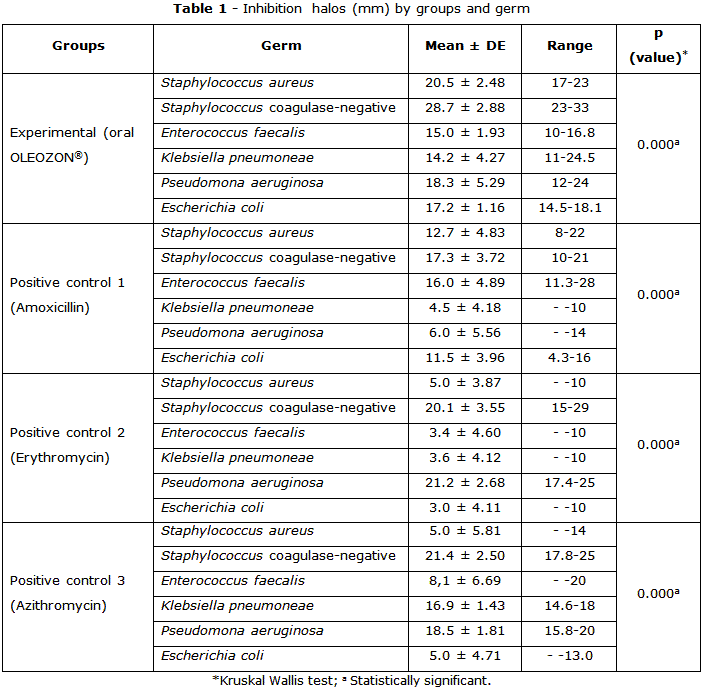
It was observed that oral OLEOZON® showed halos superior or equivalent to antibiotics, especially against coagulase-negative Staphylococcus (28.7 ± 2.88 mm), Staphylococcus aureus (20.5 ± 2.48 mm), and Escherichia coli (17.2 ± 1.16 mm). In the cases of Enterococcus faecalis, Klebsiella pneumoneae, and Pseudomonas aeruginosa, oral OLEOZON® presented inhibition zones slightly lower than those of amoxicillin (15.0 ± 1.93 vs. 15.0 ± 1.93 for the first bacterium), azithromycin (14.2 ± 4.27 vs. 16.9 ± 1.43 in the second and 18.3 ± 5.29 vs. 18.5 ± 1.81 the third), and erythromycin (21.2 ± 2.68 in the third microorganism). Significant statistical differences were determined confirmed by the Kruskal Wallis test (p = 0.000 in all cases) (table 1).
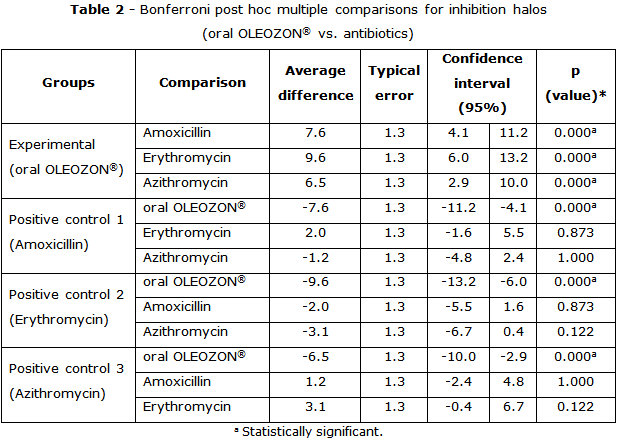
Post hoc analysis with Bonferroni adjustment confirmed that the differences observed in inhibition zones between the experimental group and each positive control were statistically significant (p = 0.000). These results reinforce the initial finding of the Kruskal-Wallis test (table 2).
The figure complements the results in the tables above, where oral OLEOZON® showed significant inhibition zones against each bacterium studied. In comparison, it showed larger zones for coagulase-negative Staphylococcus (33 mm), Pseudomonas aeruginosa (24 mm), Staphylococcus aureus (23 mm), Escherichia coli (18 mm), and Enterococcus faecalis (16 mm). For Klebsiella pneumoneae, the inhibition zone was only surpassed by amoxicillin, with 18 mm compared to oral OLEOZON®, with 11 mm (Fig. 1).
Regarding bacterial susceptibility, it was observed that, of the total number of tests performed, 75 (31.3%) had an antibacterial effect considered highly sensitive, followed by no sensitivity (29.2%). Furthermore, the results showed that the majority of isolates treated with oral OLEOZON® were in the very sensitive (41.7%) and extremely sensitive (36.7%) categories, with no cases recorded in the no effect category. In comparison, conventional antibiotics showed a less widespread distribution, with azithromycin showing the highest number of samples with a highly sensitive effect (43.3%); in the case of amoxicillin, the effect was sensitive in 25 (41.7%) tests; with respect to erythromycin, 51.7% had no sensitivity (table 3).
The difference in frequency distribution according to the Kruskal Wallis test was statistically significant (p ≤ 0.05). When applying the Bonferroni post hoc test, it was determined that oral OLEOZON® exhibits statistically significant differences (p = 0.000) with all study groups. On the other hand, no significant difference was found between the positive control 1 (amoxicillin) and positive control 2 (erythromycin) groups (p = 0.447), positive control 1 (amoxicillin) and positive control 3 (azithromycin) (p = 1.000), and positive control 2 (erythromycin) and positive control 3 (azithromycin) (p = 0.720).
The relative inhibitory percentage results showed that oral OLEOZON® showed significant antibacterial activity compared to reference antibiotics, with values exceeding 83.0% against all microorganisms tested. In most cases, oral OLEOZON® showed higher PIR values than the three conventional antibiotics, with notable inhibitory capacities of 573.0% against erythromycin for Escherichia coli, 410.0% against azithromycin for Staphylococcus aureus, and 317.2% against amoxicillin for Klebsiella pneumoneae.
However, four relevant exceptions were identified: oral OLEOZON® showed a lower RIP than azithromycin against Klebsiella pneumoneae (83.9%) and Pseudomonas aeruginosa (97.8%), with respect to the latter bacteria the RIP was 86.3% versus erythromycin, while in Enterococcus faecalis samples, oral OLEOZON® showed a lower performance compared to amoxicillin (93.7%). The mean RIP values ranged from 198.6%, 209.0%, and 341.4% for the antimicrobials amoxicillin, azithromycin, and erythromycin, respectively (table 4).
DISCUSSION
The growing bacterial resistance to conventional antibiotics has prompted the search for safe and effective therapeutic alternatives. Among these, ozonized oils have sparked interest due to their antimicrobial, antioxidant, and anti-inflammatory potential in multiple healthcare settings, including dentistry.(7) Among ozone-derived products, oral OLEOZON®, developed by the CNIC, has been introduced as an orally administered formulation, but its specific antibacterial action still lacks scientific validation.
The results of this study reveal that oral OLEOZON® possesses significant antibacterial activity against the six microorganisms evaluated, all of which are commonly isolated in root canal infections. Using the agar diffusion method, it was demonstrated that this formulation based on ozonized oils produced inhibition halos comparable to those generated by traditional antibiotics (amoxicillin, erythromycin and azithromycin), with statistically significant differences in favor of oral OLEOZON® compared to all the antibiotics evaluated (p ≤ 0.05).
The antimicrobial activity of ozone has been well documented in its gaseous form and in ozonized oils.(18) Several studies have demonstrated its effectiveness against both gram-positive and gram-negative strains.
For example, Nuñez M et al.(19) observed inhibition zones of up to 14.41 mm and 9.94 mm at 100% and 50% concentrations of ozonized Helianthus annuus (sunflower) seed oil against Enterococcus faecalis. Similarly, Bouzid D et al.(20) found that ozonized olive oil was effective against Staphylococcus aureus, Escherichia coli, Klebsiella pneumoneae, and Pseudomona aeruginosa, with average inhibition zones of 10.5 mm, 9.16 mm, 8 mm, and 6.66 mm, respectively. In current study, oral OLEOZON® generated average halos of 14.2 to 28.7 mm, depending on the microorganism, values that are within the range reported in the literature. However, most importantly, the post hoc Bonferroni analysis showed significant differences between this natural medicine product and all conventional antibiotics (p = 0.000), reinforcing its potential as a therapeutic alternative.
These findings are consistent with previous studies that have also reported high antimicrobial efficacy of ozonated sunflower oils. In the work of Sechi LA et al.,(21) it was demonstrated that ozonated sunflower oil exhibits bacteriostatic and bactericidal activity against various strains of Enterococcus faecalis, Staphylococcus aureus, Escherichia coli, and Pseudomonas aeruginosa, with minimum inhibitory concentrations ranging from 4.75 – 9.5 mg/mL, 2.37 – 9.5 mg/mL, 1.18 – 9.5 mg/mL, and 4.75 – 9.5 mg/mL, respectively.
A study published in Molecules Journal,(22) in 2024, evaluated commercial ozonized olive and sunflower oils against bacteria such as Enterococcus faecalis, Staphylococcus aureus, Klebsiella pneumoneae, Pseudomonas aeruginosa, and Escherichia coli using agar diffusion and broth dilution. They observed mean inhibitory concentration (IC50) values between 0.2 and 2.8 mg/mL, with no significant toxicity in human cells.
An in vitro study conducted in Cuba in 2022 by Hakim D et al.(23) determined the antimicrobial activity of ozonized sunflower and olive oils at different peroxide levels against the microorganisms Candida albicans, Staphylococcus aureus, and Pseudomonas aeruginosa. Based on the procedures described in this study, sunflower oil demonstrated greater antimicrobial activity.
Bacterial sensitivity analysis classified most strains exposed to oral OLEOZON® as very sensitive and extremely sensitive according to the Duraffourd scale. It is noteworthy that no cases reached the zero sensitivity category; this pattern was different from that of the positive controls, suggesting comparable action.
Previous studies report similar results with ozonized oils. For example, Puxeddu S et al.(22) found inhibition zones of 18 to 25 mm against Staphylococcus aureus and Escherichia coli, which would correspond to very sensitive and extremely sensitive sensitivity; these results are similar to those of the present study. Similarly, Moureu S et al.(24) reported halos of 16 and 20 mm against Enterococcus faecalis and Klebsiella pneumoneae when applying ozonized sunflower oil, which also coincide with the high sensitivity ranges determined in this article.
These results support the potential of oral OLEOZON® as an effective therapeutic alternative against bacterial strains present in root canals.
Regarding the IRP, oral OLEOZON® demonstrated superior efficacy in most comparisons, even outperforming specific antibiotics in certain cases. The only exceptions were observed against Pseudomonas aeruginosa, where it was inferior to azithromycin and erythromycin, against Enterococcus faecalis versus amoxicillin, and against Klebsiella pneumoneae, where a lower percentage was observed compared to azithromycin. The lack of previous studies also limits the possibility of direct comparisons with similar research.
Despite these encouraging results, the literature review found no published studies on the antibacterial activity of oral OLEOZON® in its commercial pharmaceutical formulation. Most research focuses on the use of gaseous ozone, topical ozonized oils, or experimental combinations, but not on oral formulations. This limitation justifies and highlights the importance of this study for the analysis of this formulation.
In vitro analysis suggests that oral OLEOZON® may be a viable alternative or complement to traditional antibiotics, especially in endodontic treatments where bacterial resistance and cross-contamination limit therapeutic options.
The results obtained should be interpreted considering the study's limitations, including the small sample size, the in vitro nature of the assay, and the lack of cytotoxicity assessment.
Finally, this research represents a pioneering contribution by exploring the in vitro antibacterial action of oral OLEOZON® using the agar well diffusion method against bacterial strains isolated from root canals, and comparing it with commonly used antibiotics such as amoxicillin, erythromycin, and azithromycin. Furthermore, variables such as PIR and bacterial susceptibility were incorporated, which will allow for a more complete characterization of the product's antimicrobial profile.
These findings could open new perspectives for the use of oral OLEOZON® as a therapeutic adjuvant in endodontic or oral infectious treatments, as well as encourage broader clinical research to validate its efficacy and safety in vivo.
Oral OLEOZON® demonstrated significant antibacterial activity in vitro, with significantly greater inhibition zones against all study bacteria compared to the antibiotics evaluated. Most bacterial strains were found to be highly and extremely susceptible to oral OLEOZON®, comparable to the profile observed with amoxicillin, erythromycin, and azithromycin. The relative inhibitory percentage analysis indicated that oral OLEOZON® outperformed the antibiotics against most of the study microorganisms; exceptions were observed with Enterococcus faecalis against amoxicillin, Pseudomonas aeruginosa against erythromycin and azithromycin, and Klebsiella pneumoneae against azithromycin, where a higher RIP was observed.
It is recommended that studies be expanded with a larger sample size and under clinical conditions, as well as to explore the safety and toxicity profile of oral OLEOZON® at the systemic and local levels.
BIBLIOGRAPHIC REFERENCES
1. Rojas González L. Efectividad de la irrigación de solución salina ozonizada y uso del aceite ozonizado en el tratamiento de periodontitis apicales [Internet]. Ozone Therapy Global Journal. 2021 [access: 29/07/2025]; 11(1):191-200. Available from: http://www.xn--revistaespaoladeozonoterapia-7xc.es/index.php/reo/article/download/235/207
2. Fouad AF, Diogenes AR, Torabinejad M, Hargreaves KM. Microbiome Changes during Regenerative Endodontic Treatment Using Different Methods of Disinfection [Internet]. JOE. 2022; 48(10):1273-84. DOI: https://doi.org/10.1016/j.joen.2022.07.004
3. Gómez García AP, López Vidal Y, Aguirre García MM. Microbioma oral: variabilidad entre regiones y poblaciones [Internet]. Rev. Fac. Med. (Mex.). 2022; 65(5): 9-19. DOI: http://doi.org/10.22201/fm.24484865e.2022.65.5.02
4. Xiao X, Liu S, Deng H, Song Y, Zhang L, Song Z. Advances in the oral microbiota and rapid detection of oral infectious diseases [Internet]. Front. Microbiol. 2023; 14:1121737. DOI: https://doi.org/10.3389/fmicb.2023.1121737
5. Jiménez Rojas LF, Del Pilar Juarez M, Rodrigues Ferreira Alves F. Capacidad de penetración y difusión de la medicación, intraconducto en túbulos dentinales, conductos laterales e istmos. Una revisión sistemática [Internet]. Int. J. Odontostomat. 2021; 15(3):727-33. DOI: http://dx.doi.org/10.4067/S0718-381X2021000300727
6. Pérez-Solís LF, Reinoso-Toledo EP, Villacís-Tapia Ángel F, Sarduy-Torres CC. Ventajas de la medicación intraconducto en endodoncia [Internet]. Gac méd estud. 2024 [access: 03/08/2025]; 5(2):e474. Available from: https://revgacetaestudiantil.sld.cu/index.php/gme/article/view/474
7. Alvarez-Hernández JC, Fernández-González OL, Machado-Cano MJ, Pérez-García LM. Aceites vegetales ozonizados y sus propiedades antimicrobianas en el tratamiento de afecciones bucodentales [Internet]. Rev Ciencias Médicas. 2024 [access: 03/08/2025];28(1):e6073. Available from: https://revcmpinar.sld.cu/index.php/publicaciones/article/view/6073
8. Centro para el Control Estatal de Medicamentos, Equipos y Dispositivos Médicos (CECMED). Oleozón® Oral. Resumen de las características del producto [Internet]. La Habana: Ministerio de Salud Pública; 2023. [access: 29/07/2025]. Available from: https://www.cecmed.cu/file/5599/download?token=OD54PHcC
9. Álvarez-Hernández JC, Pérez-García LM, Morales-Cabrera M. Utilidad clínica del OLEOZON® oral como alternativa terapéutica en estomatología [Internet]. Rev Méd Electrón. 2024 [access: 03/08/2025];46:e5588. Available from: https://revmedicaelectronica.sld.cu/index.php/rme/article/view/5588
10. Clinical and Laboratory Standards Institute. Performance Standards for Antimicrobial Disk Susceptibility Tests [Internet]. M02, 13th ed. USA: CLSI; 2018. [access: 29/07/2025]. Available from: https://clsi.org/media/1925/m02ed13_sample.pdf
11. Merck KGaA. Agar Mueller Hinton [Internet]. Alemania: Darmstadt; 2021. [access: 29/07/2025]. Available from: https://www.merckmillipore.com/PE/es/product/MUELLER-HINTON-MH-agar,MDA_CHEM10387
12. Rodríguez Martínez C, Zhurbenko R. Manual de medios de cultivo [Internet]. Cuarta edición. La Habana: Editorial Centro Nacional de Biopreparados; 2018. [access: 29/07/2025]. Available from: https://www.biocen.cu/wp-content/uploads/2021/05/Manual-MC-2018.pdf
13. Vílchez-Cáceda H, Olortegui-Quispe AR, Alvia-Saldarriaga CA. Efecto antibacteriano del extracto hidroalcohólico de Solanum sessiliflorum Dunal (cocona) sobre Streptococcus mutans [Internet]. Rev Cub Med Mil. 2023 [access: 29/07/2025]; 52(1): e02302340. Available from: https://revmedmilitar.sld.cu/index.php/mil/article/view/2340
14. Hossain TJ. Methods for screening and evaluation of antimicrobial activity: a review of protocols, advantages, and limitations [Internet]. Eur J Microbiol Immunol. 2024;14(2):97-111. DOI: https://doi.org/10.1556/1886.2024.00035
15. Vigo Lezma MC, Rodríguez Ulloa CC, Bardales Valdivia JN, Rivera Jacinto MA. Efecto antibacteriano del aceite esencial de Salvia macrophylla (salvia) frente a aislados clínicos de Streptococcus mutans [Internet]. Rev Cuba Med Tropical. 2024 [access: 03/08/2025];76:e1181. Available from: https://revmedtropical.sld.cu/index.php/medtropical/article/view/1181
16. Asociación Médica Mundial. Declaración de Helsinki de la AMM. Principios éticos para las investigaciones médicas en seres humanos [Internet]. Ratificada en la 64ª Asamblea General, Fortaleza, Brasil, octubre 2013. Helsinki: 18ª Asamblea Mundial; 1964. [access: 29/07/2025]. Available from: http://www.anmat.gov.ar/comunicados/HELSINSKI_2013.pdf
17. Centro para el Control Estatal de Medicamentos, Equipos y Dispositivos Médicos. Directrices sobre Buenas Prácticas Clínicas en Cuba [Internet]. La Habana: CECMED; 2003. [access: 29/07/2025]. Available from: https://www.cecmed.cu/sites/default/files/adjuntos/ambitor/ambreg-18.pdf
18. Rezaeianjam M, Khabazian A, Khabazian T, Ghorbani F, Abbasi T, Asghari S, et al. Efficacy of ozone therapy in dentistry with approach of healing, pain management, and therapeutic outcomes: a systematic review of clinical trials [Internet]. BMC Oral Health. 2025;25(1):433. DOI: https://doi.org/10.1186/s12903-025-05790-0
19. Nuñez Tafur M, Requejo Paz D, Calle Vilca MA. Efecto antibacteriano del aceite ozonizado de semilla de helianthus annuus (girasol) frente a fusobacterium nucleatum y enterococcus faecalis [Internet]. [Tesis de Grado]. Huancayo: Universidad Privada De Huancayo “Franklin Roosevelt”; 2021. [access: 29/07/2025]. Available from: http://hdl.handle.net/20.500.14140/524
20. Bouzid D, Merzouki S, Boukhebti H, Zerroug MM. Various Antimicrobial Agent of Ozonized Olive Oil [Internet]. Ozone: Science & Engineering. 2021;43(6): 606–12. DOI: https://doi.org/10.1080/01919512.2021.1893151
21. Sechi LA, Lezcano I, Nunez N, Espim M, DupreÁ I, Pinna A, et al. Antibacterial activity of ozonized sunflower oil (Oleozon) [Internet]. Journal of Applied Microbiology 2001; 90(2): 279-84. DOI: http://dx.doi.org/10.1046/j.1365-2672.2001.01235.x
22. Puxeddu S, Scano A, Scorciapino MA, Delogu I, Vascellari S, Ennas G, et al. Physico-Chemical Investigation and Antimicrobial Efficacy of Ozonated Oils: The Case Study of Commercial Ozonated Olive and Sunflower Seed Refined Oils [Internet]. Molecules. 2024; 29(3):679. DOI: https://doi.org/10.3390/molecules29030679
23. Hakim-Rodríguez D, Guerra-Collazo G, Cordero-Hernández ME, Cabrera-Pérez C, Veliz-Lorenzo E, Fernández García LA, et al. Obtención y caracterización de aceite de girasol y oliva ozonizados [Internet]. Rev. CENIC Cienc. Quím. 2022 [access: 29/07/2025]; 53(2):364-77. Available from: https://revista.cnic.edu.cu/index.php/RevQuim/article/view/3880/3305
24. Moureu S, Violleau F, Ali Haimoud-Lekhal D, Calmon A. Ozonation of sunflower oils: impact of experimental conditions on the composition and the antibacterial activity of ozonized oils [Internet]. Chem Phys Lipids. 2015; 186:79-85. DOI: https://doi.org/10.1016/j.chemphyslip.2015.01.004
Conflicts of interest
The authors declare no conflict of interest.
Funding
The authors did not receive funding for the development of this article.
Authorship contribution
Conceptualization: José Carlos Alvarez Hernández, Orietta Margarita García Sánchez.
Data curation: José Carlos Alvarez Hernández, Orietta Margarita García Sánchez.
Formal analysis: José Carlos Alvarez Hernández, Orietta Margarita García Sánchez, Lizandro Michel Pérez García, Jacqueline Díaz Luis, Marileidi Morales Cabrera, Sahily García Novoa.
Investigation: José Carlos Alvarez Hernández, Orietta Margarita García Sánchez.
Methodology: José Carlos Alvarez Hernández, Orietta Margarita García Sánchez.
Project administration: José Carlos Alvarez Hernández.
Supervision: Orietta Margarita García Sánchez.
Validation: José Carlos Alvarez Hernández, Orietta Margarita García Sánchez.
Display: José Carlos Alvarez Hernández, Orietta Margarita García Sánchez.
Writing – initial draft: José Carlos Alvarez Hernández, Lizandro Michel Pérez García, Jacqueline Díaz Luis.
Writing - review and editing: José Carlos Alvarez Hernández, Lizandro Michel Pérez García, Jacqueline Díaz Luis.
Data availability statement
Supplementary file. Research data (Excel). Available from: https://revmedmilitar.sld.cu/index.php/mil/libraryFiles/downloadPublic/146